Irish Stories
Ireland is a small country with a history reaching far back into Celtic paganism, into gods, goddesses, heroes, magic, war, poetry and story-telling, ancient stone edifices in which, when one stands near them or among them, it is easy to imagine feasting, and revelry resulting in argument and fighting. In one way, Ireland is a land of relics, remains, fragments, ruins, as if the violence and rage of history had taken a fierce toll not only of human beings but of buildings as well; of churches, monasteries, royal houses, feasting halls, burial places, isolated oratories. Almost everywhere you look you will see ruins that tell of ancient power destroyed, old nobility's ousted and brought low, Celtic aristocrats driven off by new invaders.
Ireland to-day is a lively, progressive country increasingly aware of the deepening connections with mainland Europe and determined to succeed in the new European community. Shrewd politicians, efficient business-men and well educated young men and women are all working hard to make their mark in this challenging, complex Europe; and it is clear that they are indeed being successful in that work. The results are beginning to be obvious throughout the island where, despite unemployment, emigration and ever-increasing social problems such as crime and drug trafficking, a new prosperity is evident, bringing with it an impressive growth in confidence, particularly among the young. To-day, many of Ireland's young people travel buoyantly and easily throughout the world, displaying an educated confidence where many of their ancestors had shown unease, suspicion and ignorance.
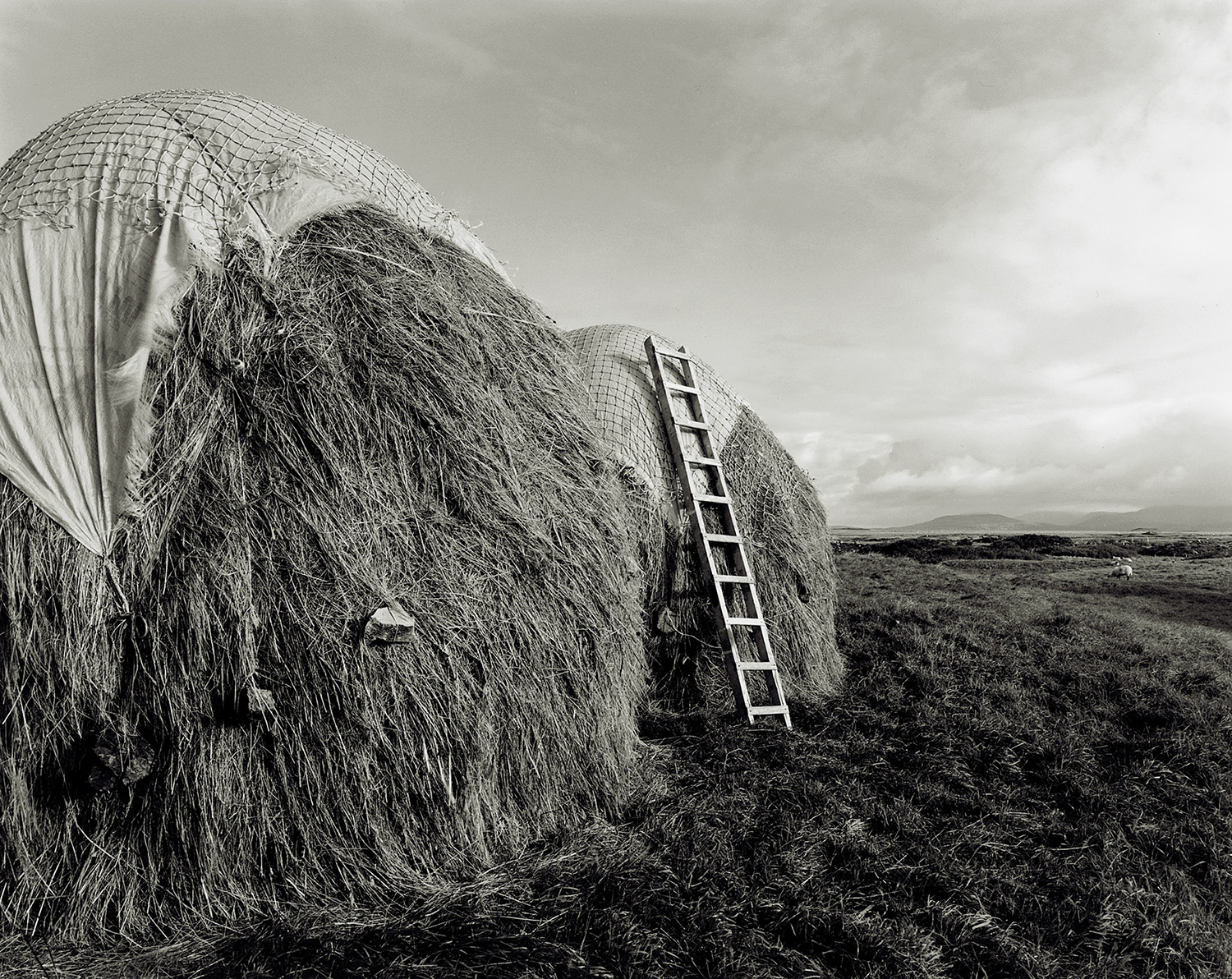
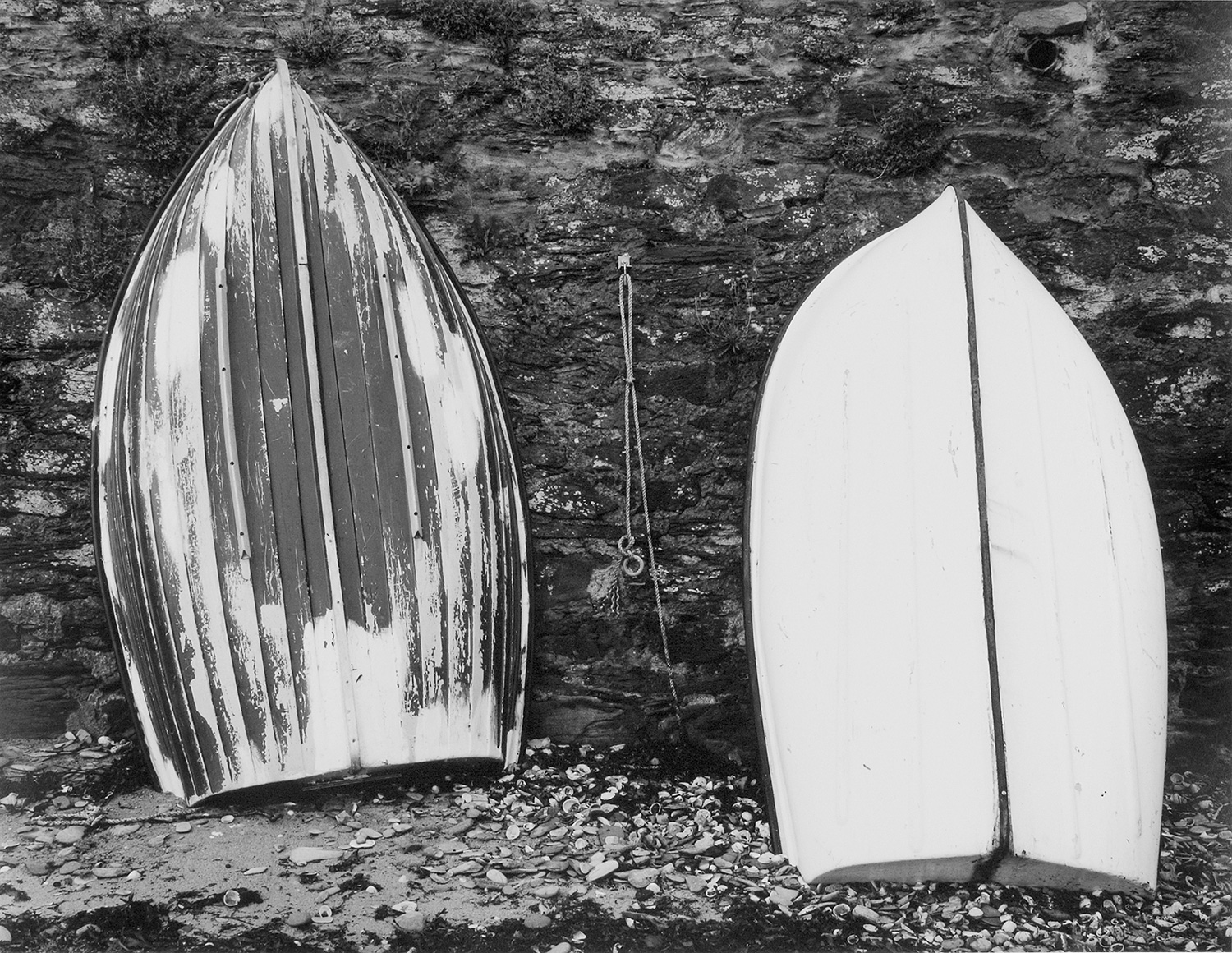
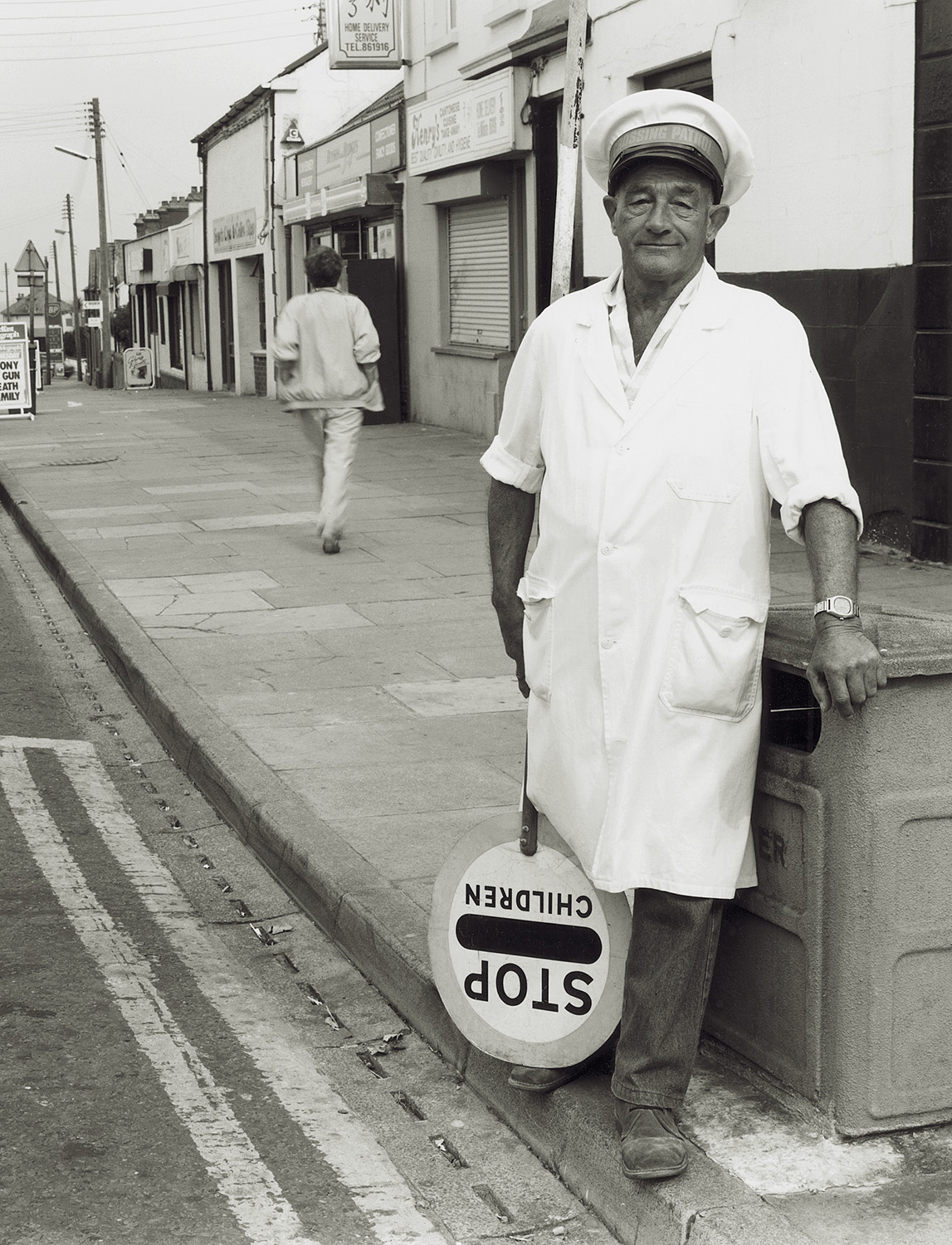
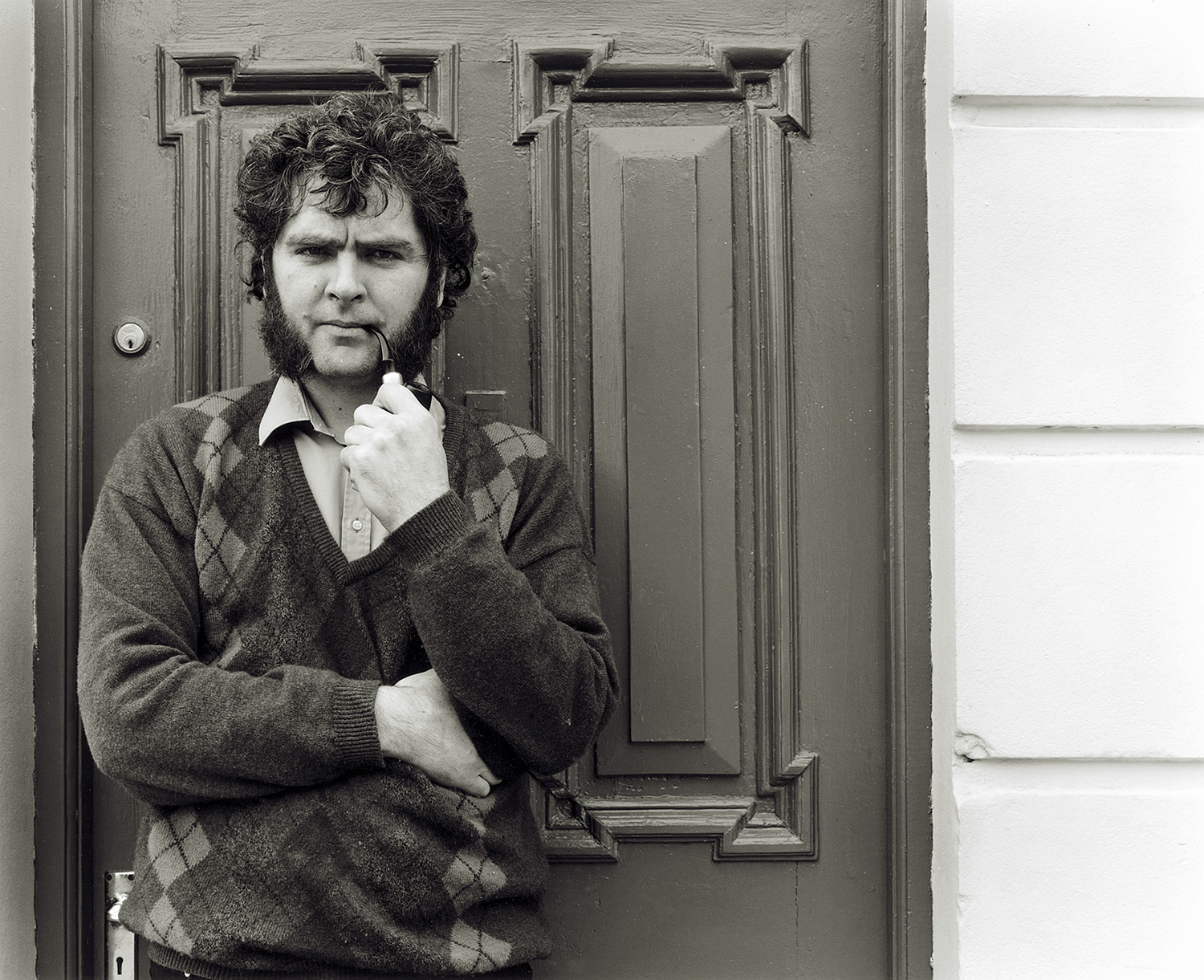
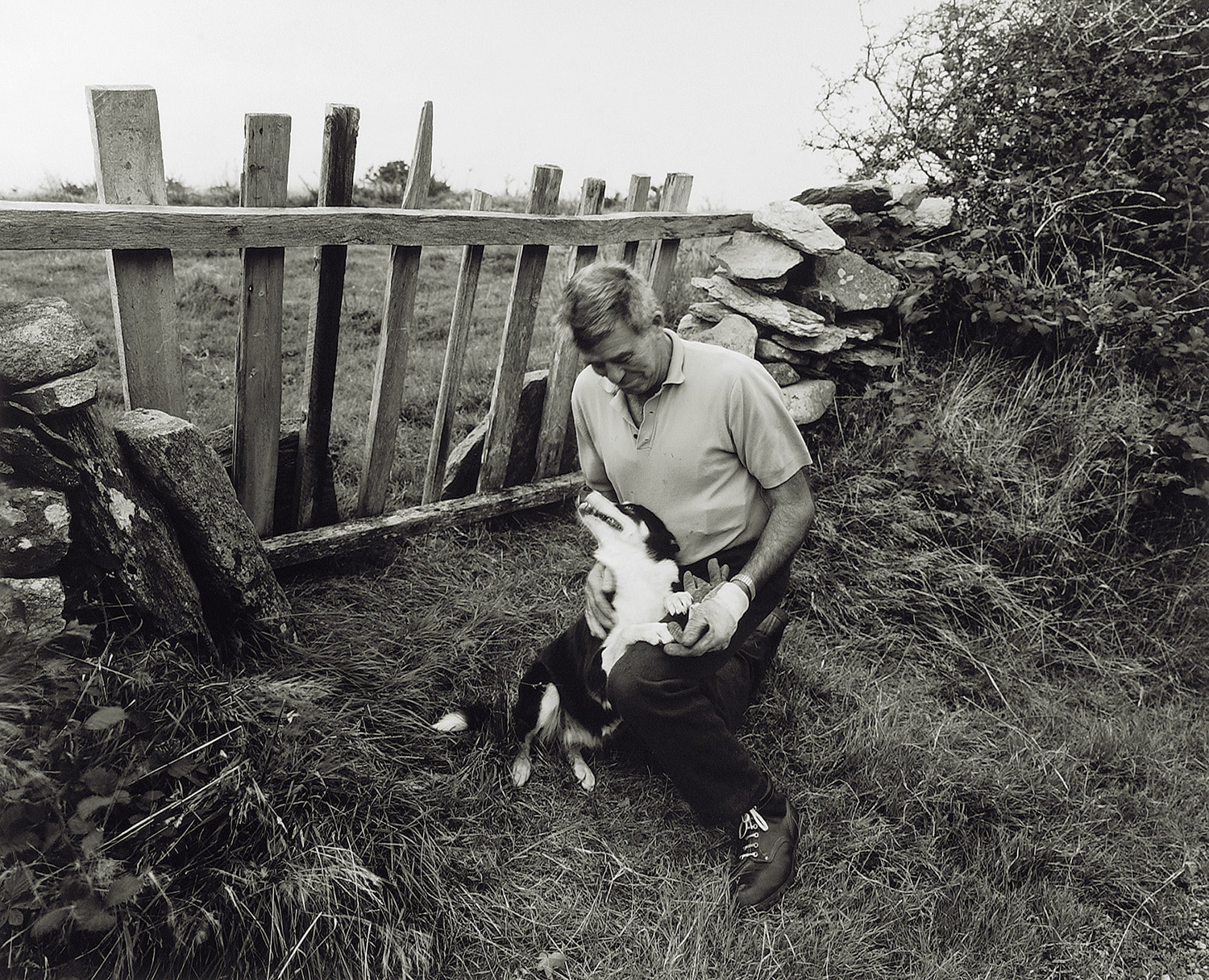
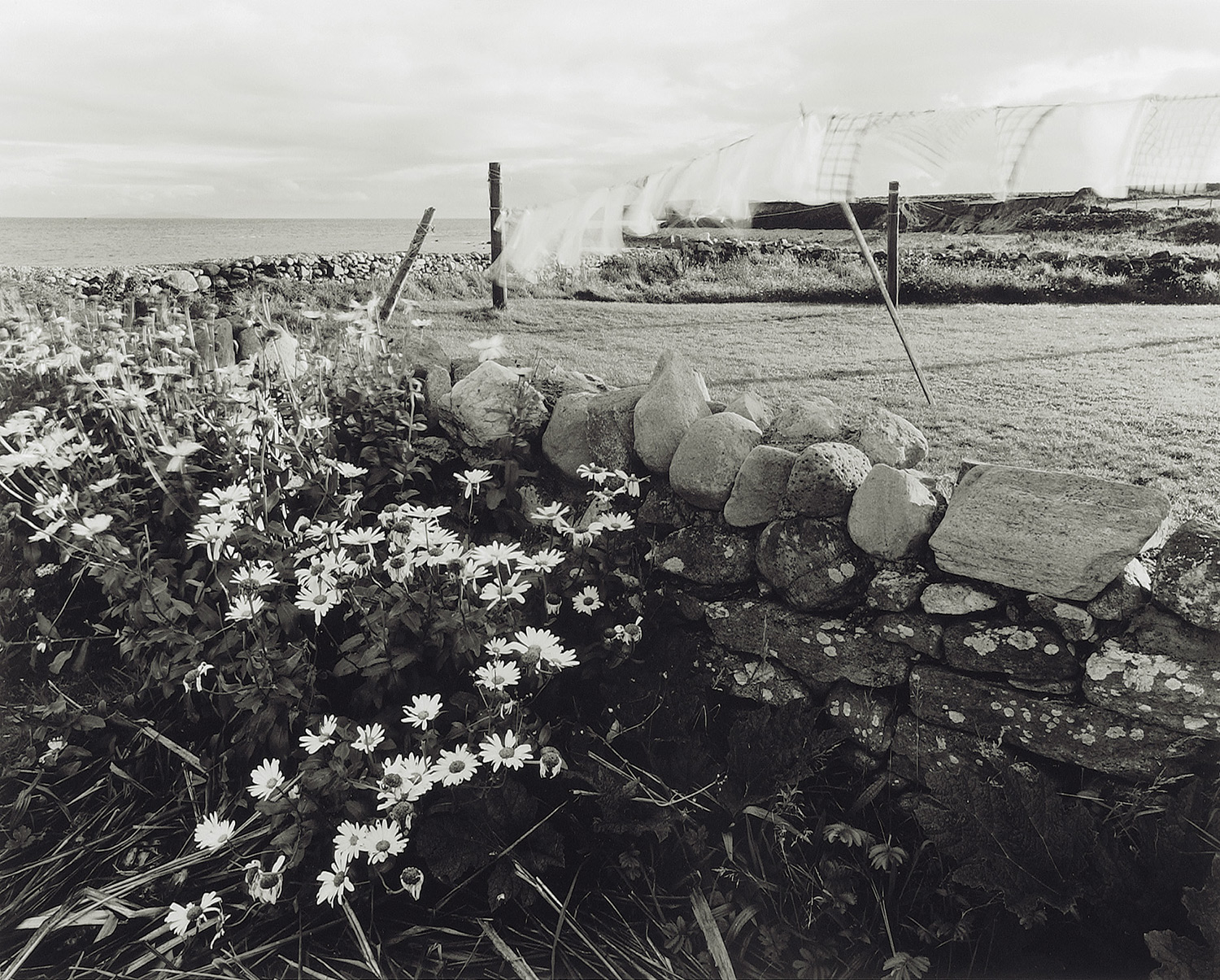
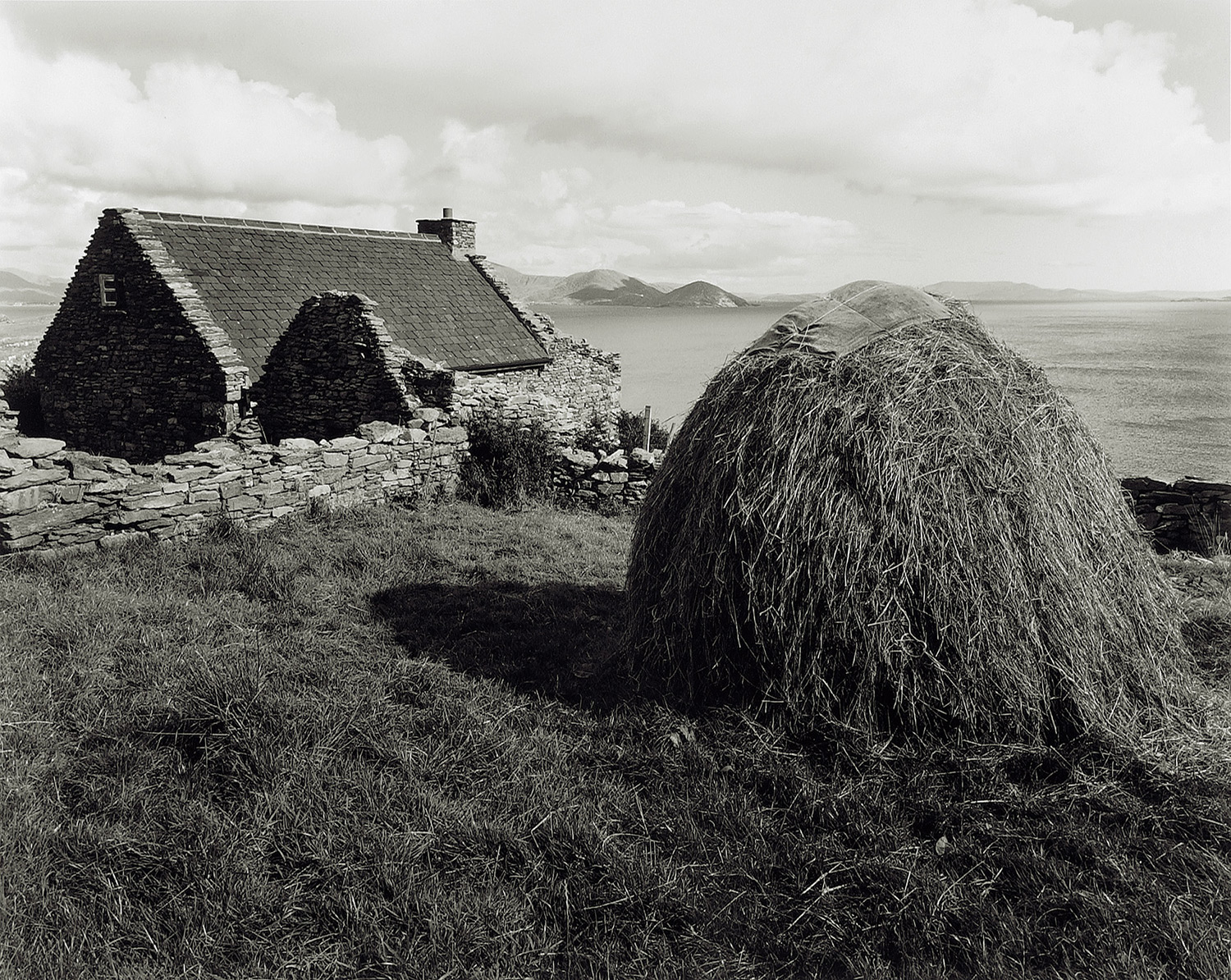
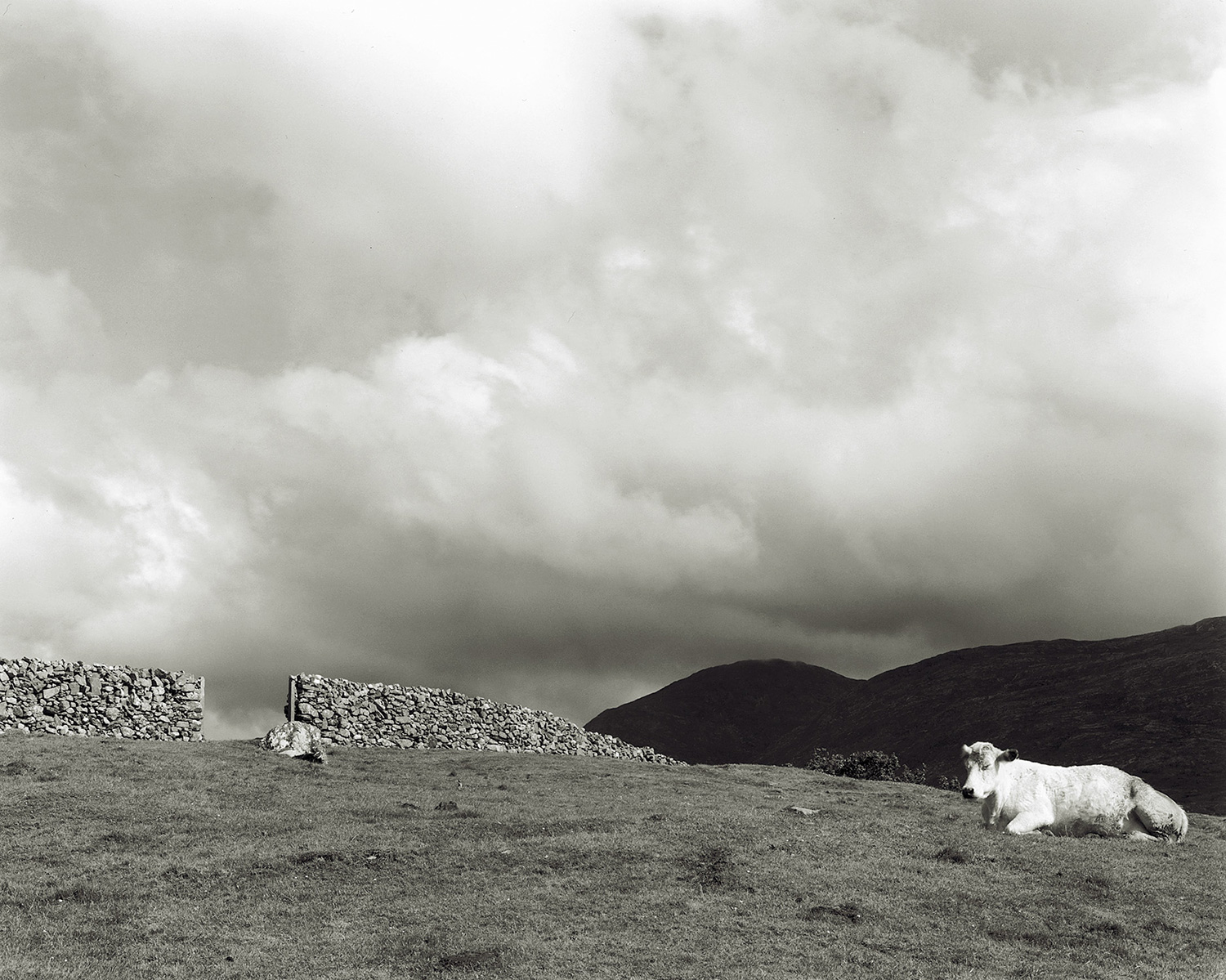
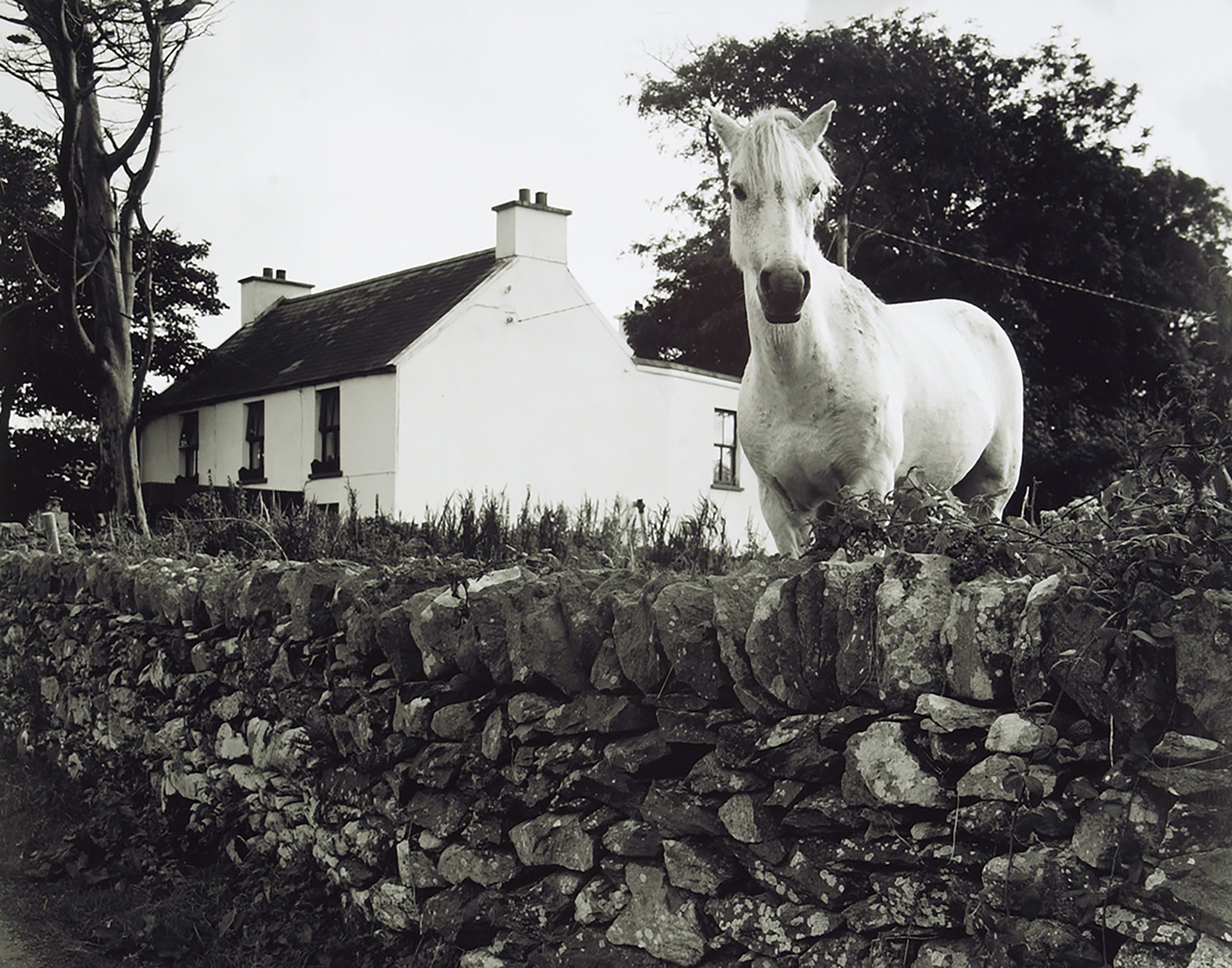
When, therefore, a vital, devoted American photographer, Brad Temkin, comes to Ireland, travels through the country, meeting the people, chatting with them, keeping his eyes and ears open. What sort of Ireland do we expect him to come up with? Well, like all good artists, Temkin makes us question our own expectations. Or to put it another way, he substitutes surprise for predictability. His images startle us into a sense of the novelty of what we had taken for granted. He has his own way of seeing; and he remains true to that way, not stubbornly, not blindly, but with a conviction that he can make the centuries surrender some of their secrets, compel history to yield up images that might otherwise have gone unnoticed, and persuade ancient Ireland to reveal certain of it's stunning treasures. Brad Temkin is, literally, a thief of time. He has picked time's pocket with deft skill, even with a certain charm. The results, these pictures which become more riveting the more one considers them, are there for our delighted contemplation.
Contemplation and concentrated acts of attention are what Brad Temkin's pictures unapologetically demand. Furthermore, until they receive that prolonged contemplation and those sustained acts of attention, they will not surrender their mesmeric secrets, their calm revelations of a life that often speaks of another, a more ancient time.
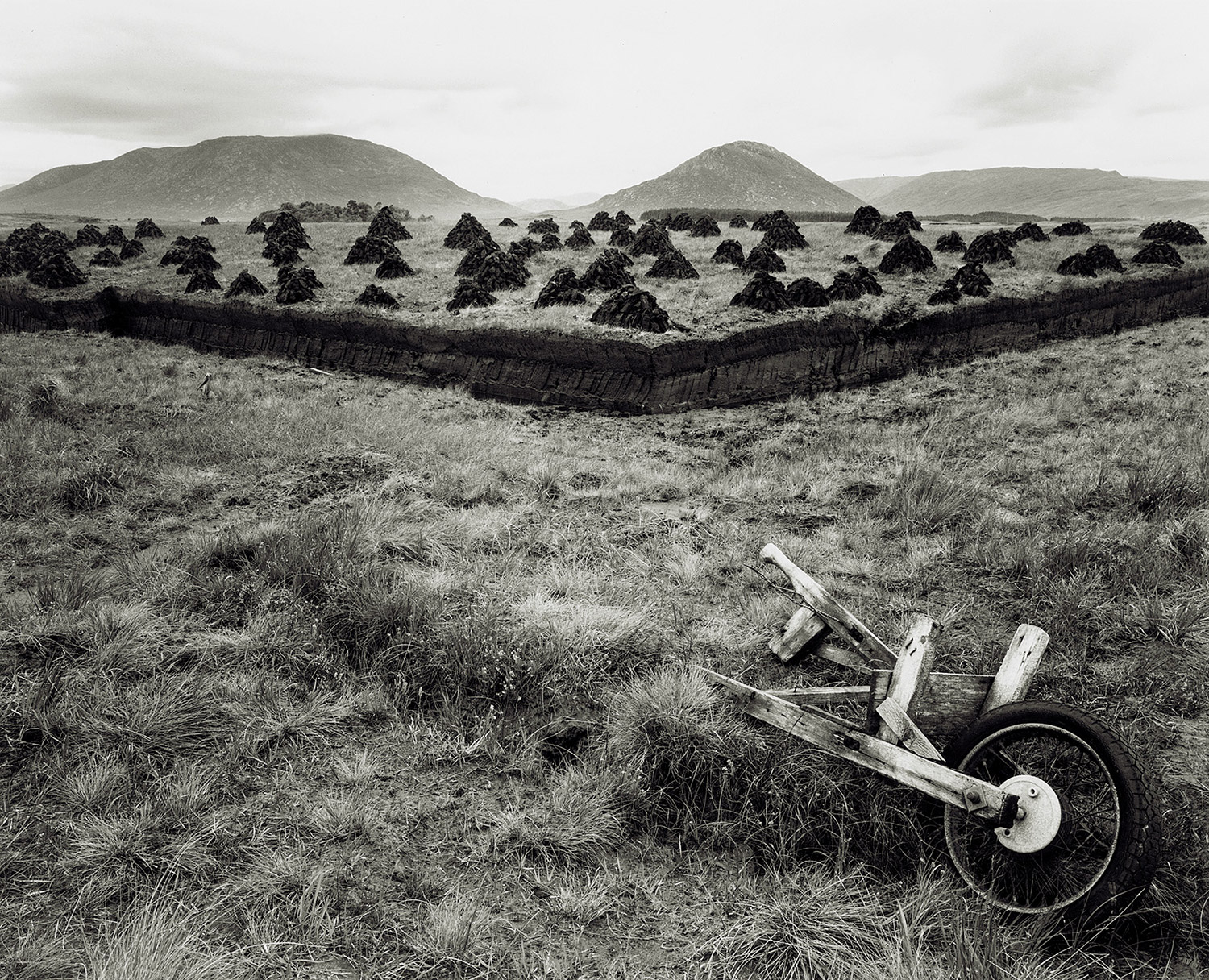
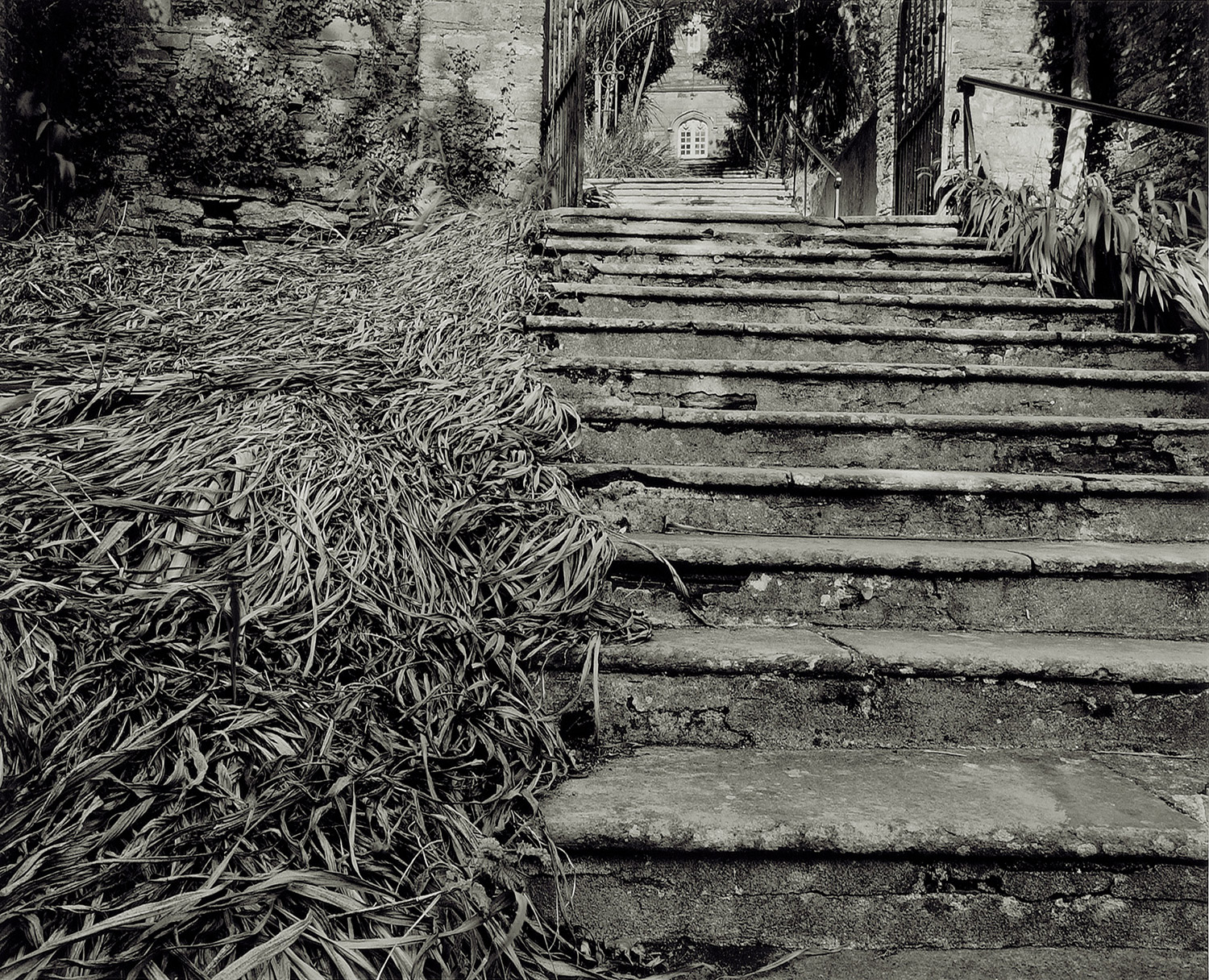
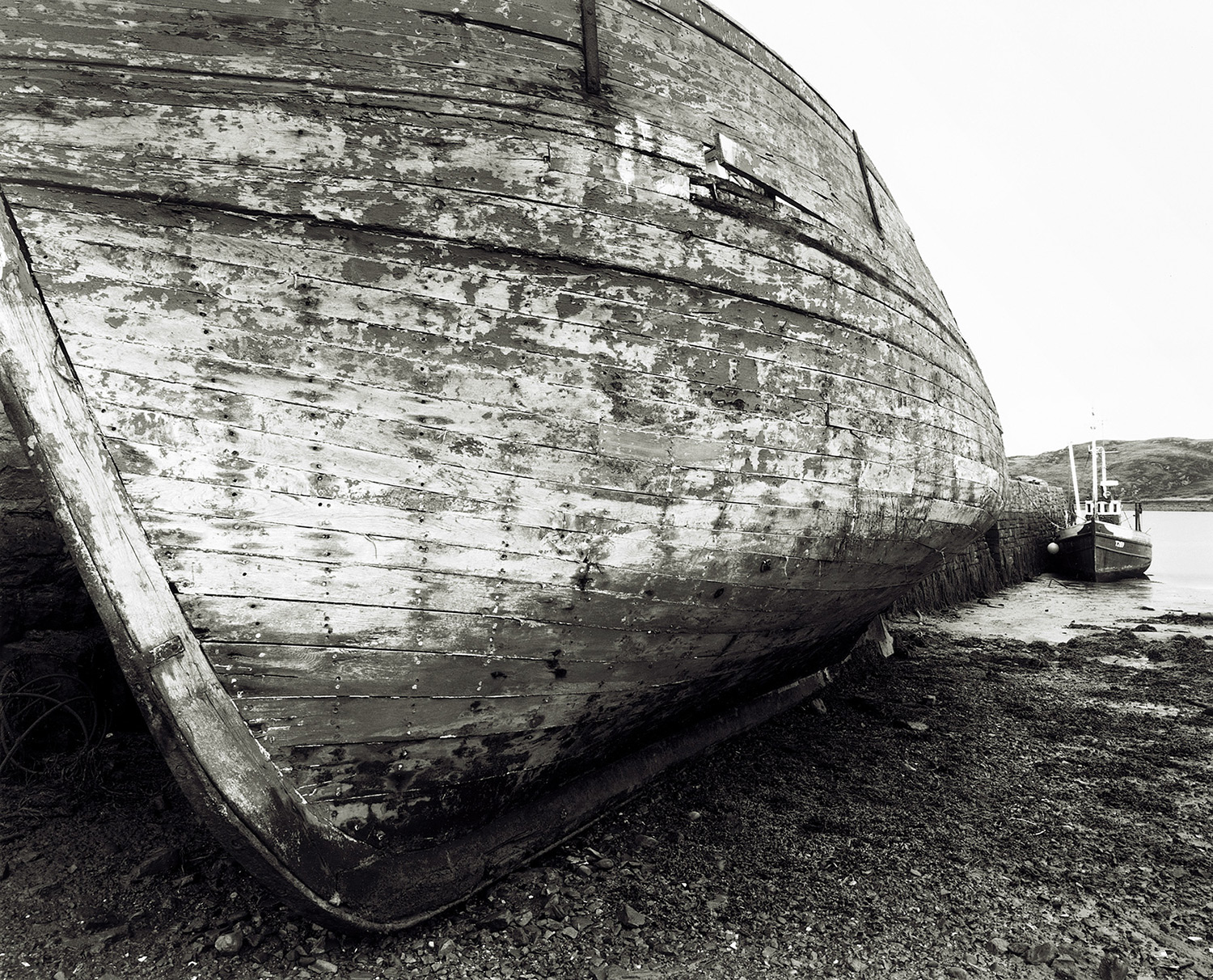
It took me quite a while to get used to this man’s work. I live in Ireland, I write about it's history, it's land, it's people. I love the place even as I sometimes find it maddening, even menacing. Brad Temkin's pictures took me outside many of my own pre-occupations, and made me turn again to a history and a geography which, perhaps, I had grown too used to. He made me see things and people with a fresher and a clearer eye. He simply will not allow either himself or his viewers to take anything for granted. He has a talent, perhaps even a genius, for lifting the stifling veil of familiarity from rocks and stones and fields and ruins so that we are taken, as it were, back through time to the very morning of the world; and we see things, as they were then. At the same time, Temkin makes us almost painfully aware of the devastating power of time, it's power to destroy partially or completely, it’s merciless capacity to erode and distort. Shakespeare's phrase, ˜Devouring Time", sprang to mind several times as I contemplated these extraordinary shots of ordinary Ireland. I found myself immersed in the presence of sheer ferocity of the centuries. What I had considered buried and lost became dramatically present and insistently real.
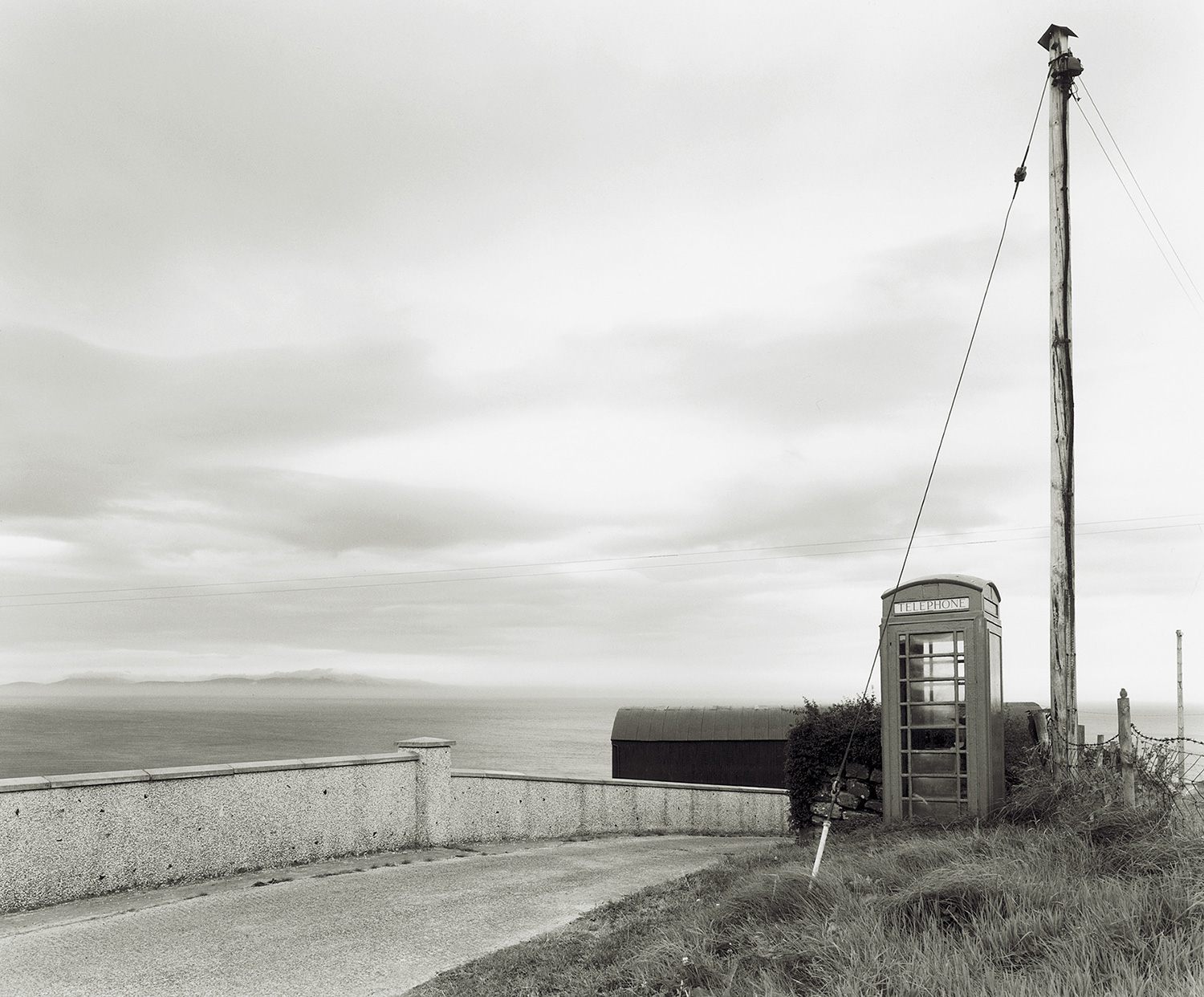
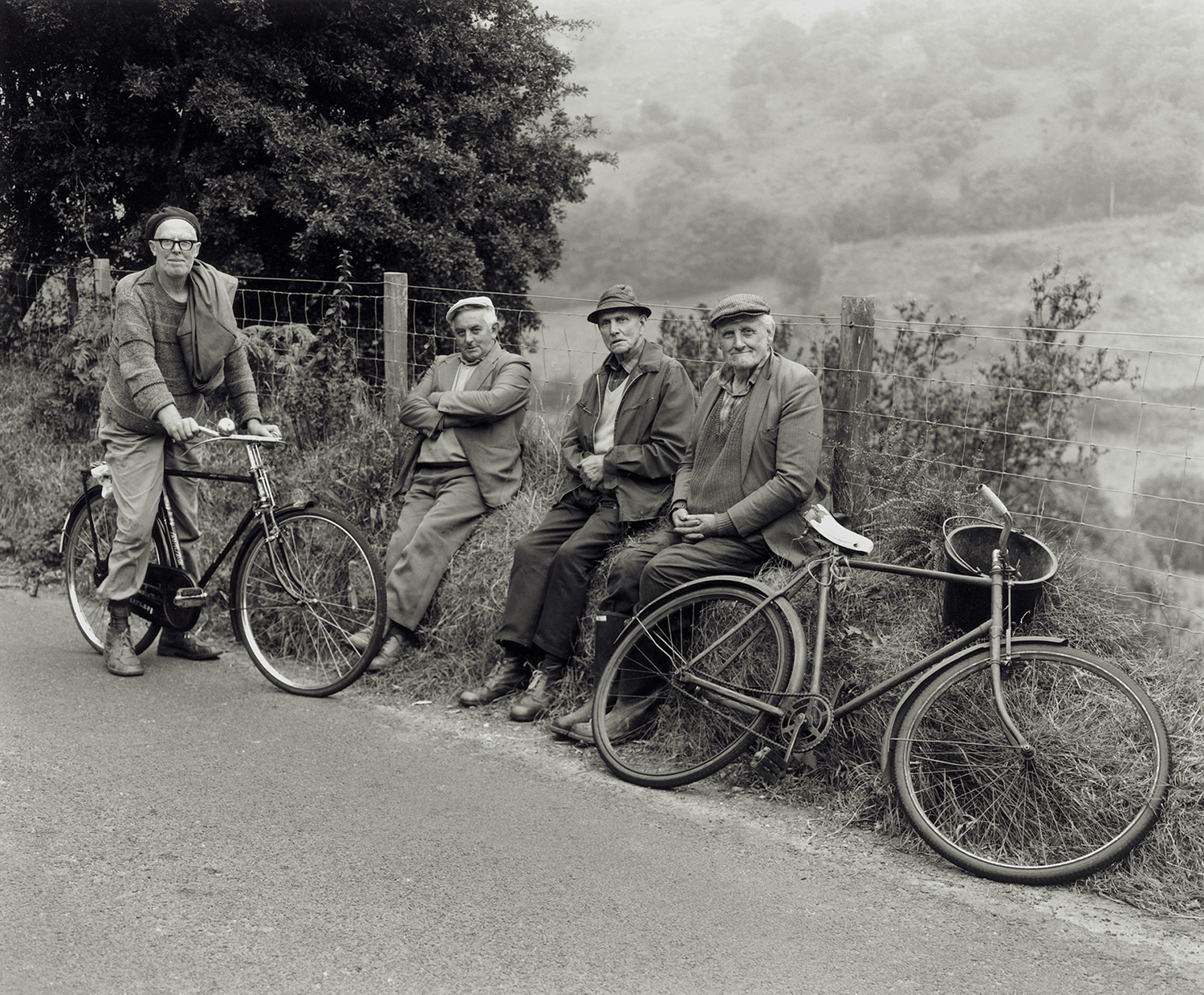
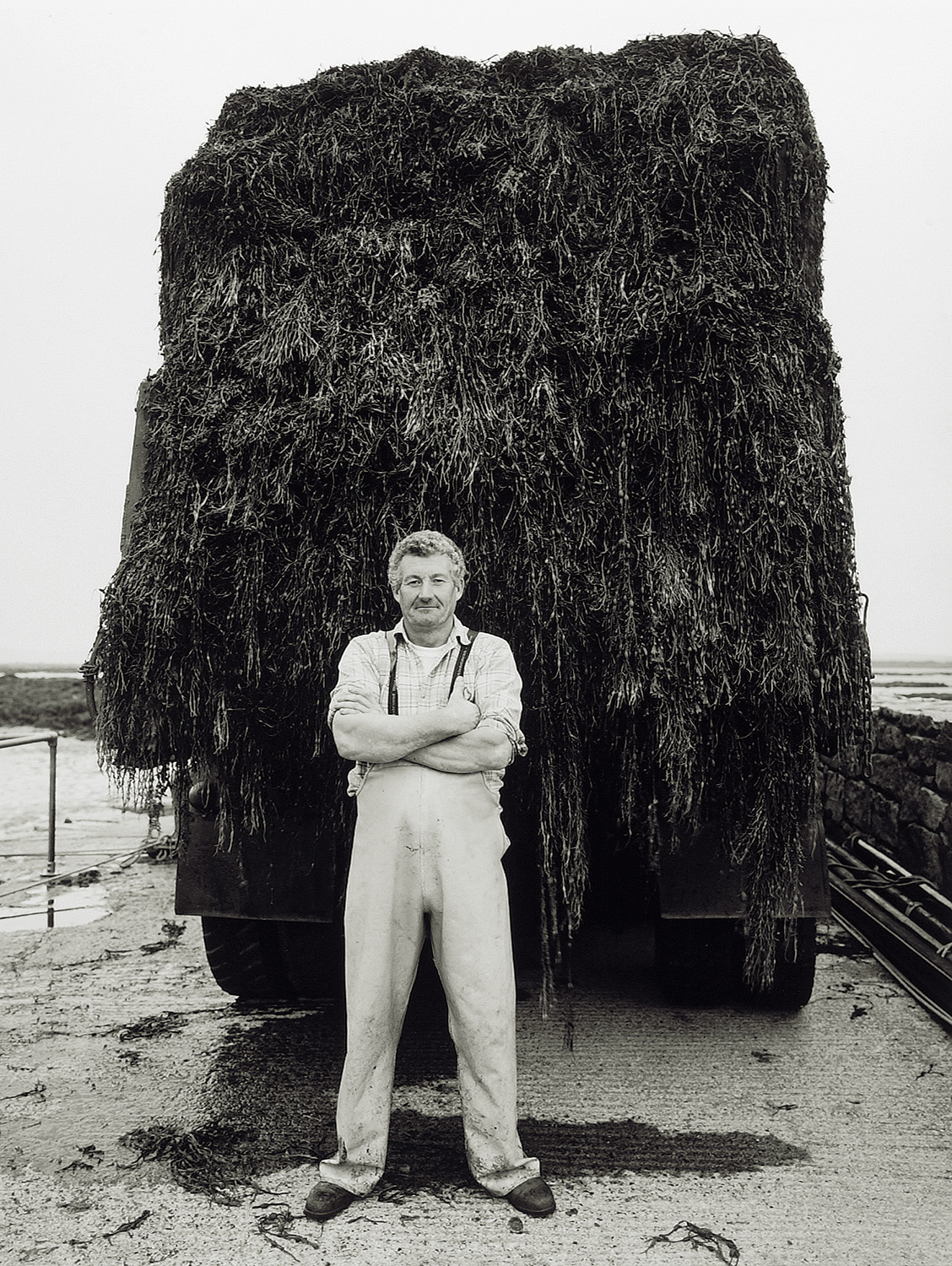
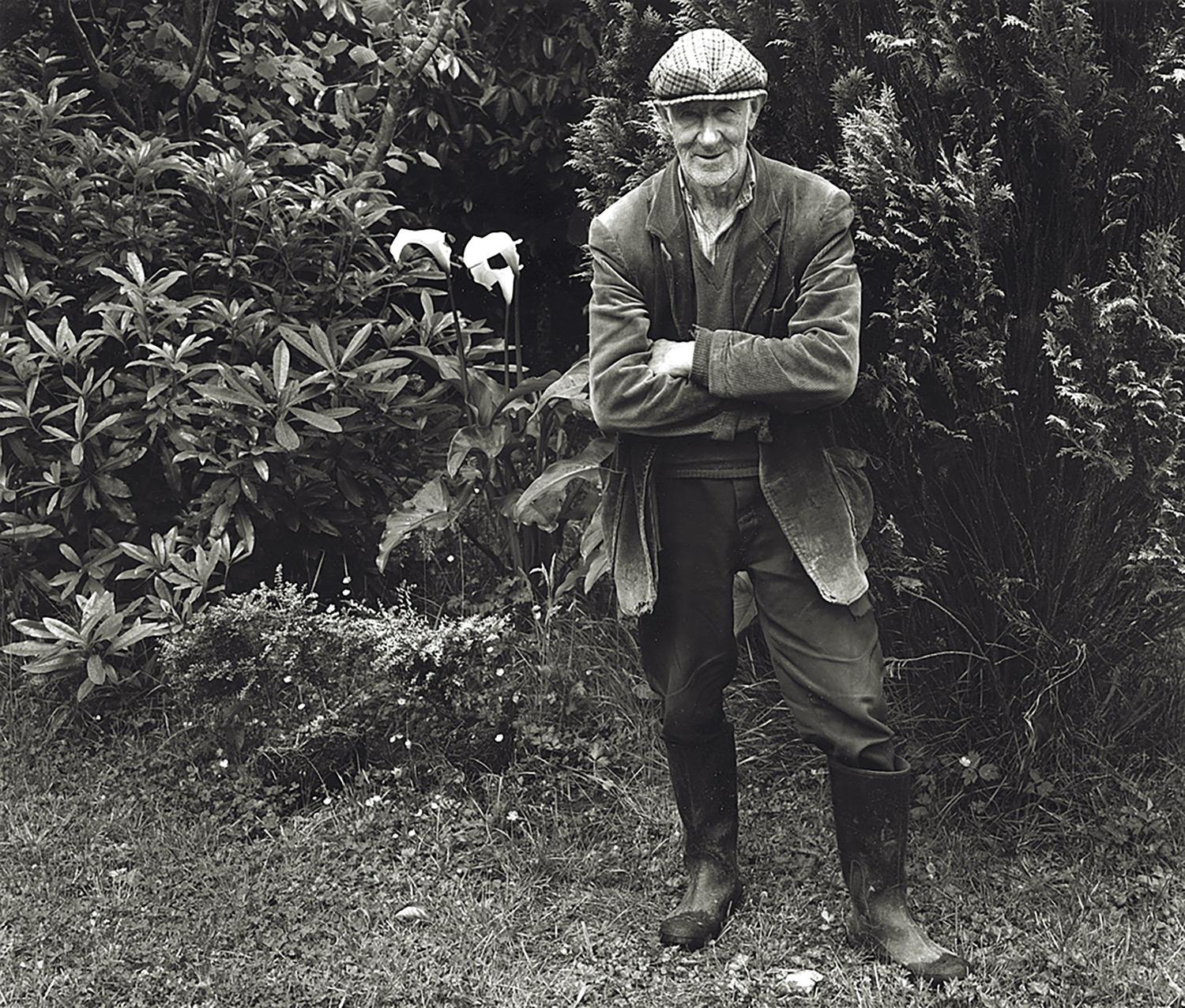
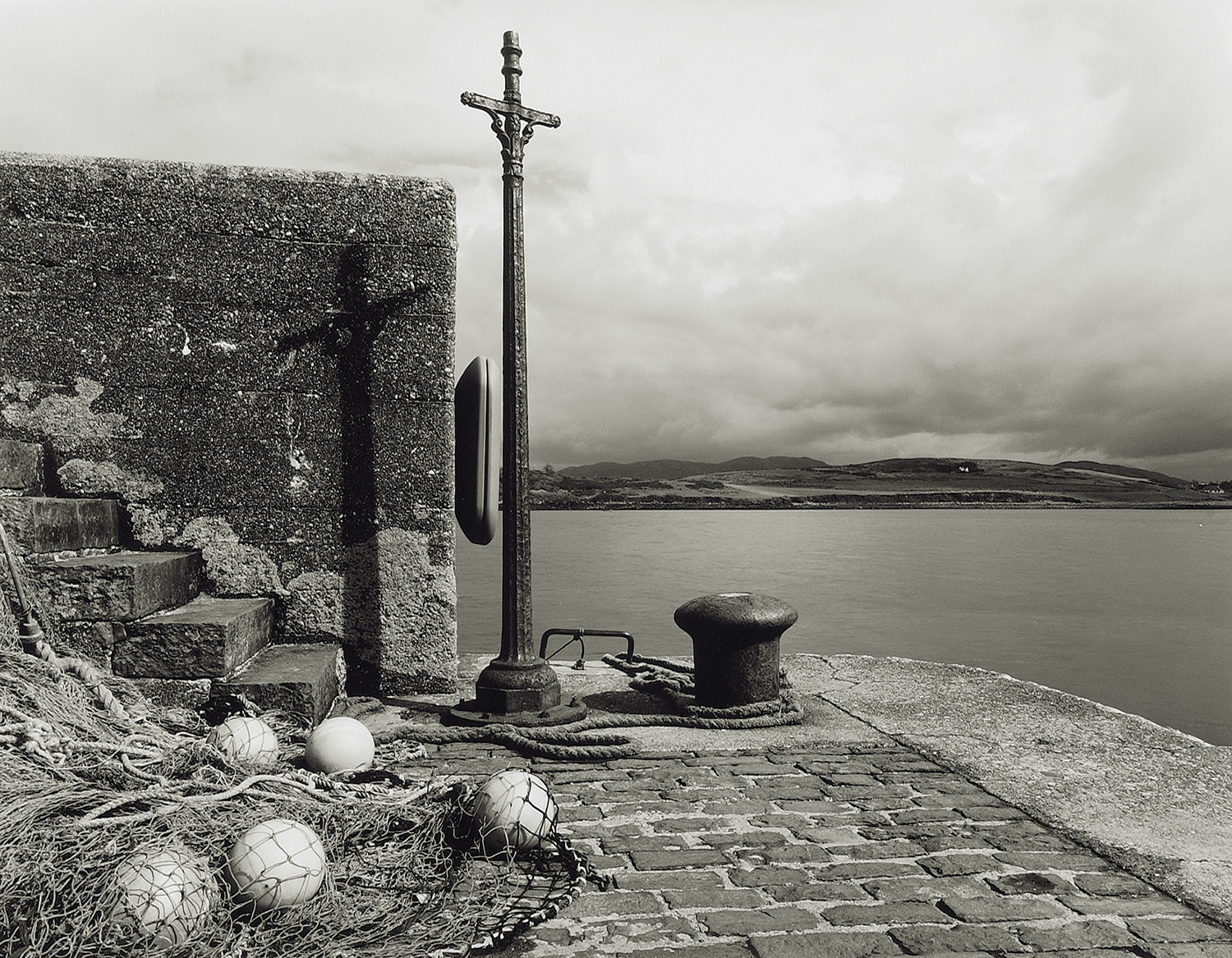
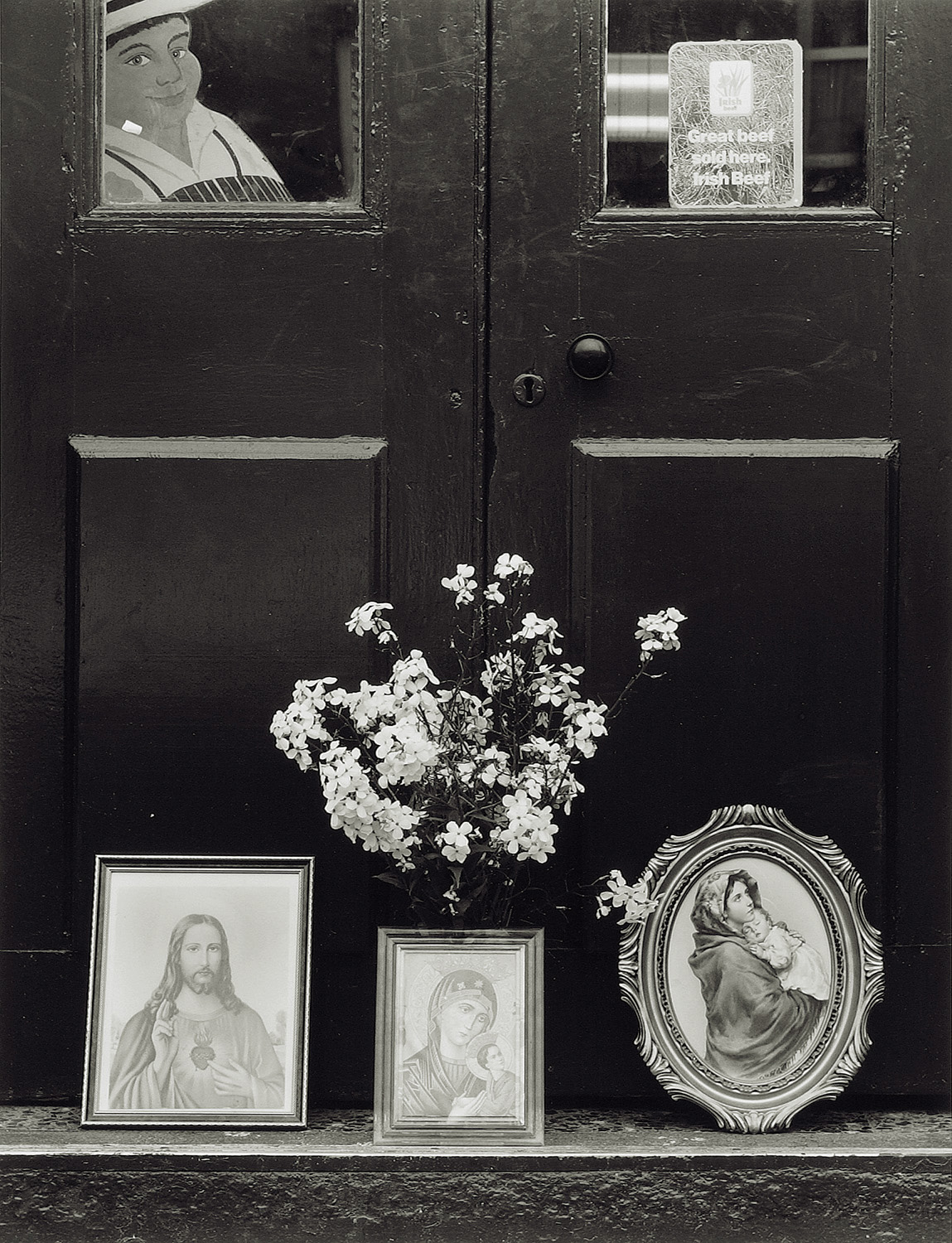
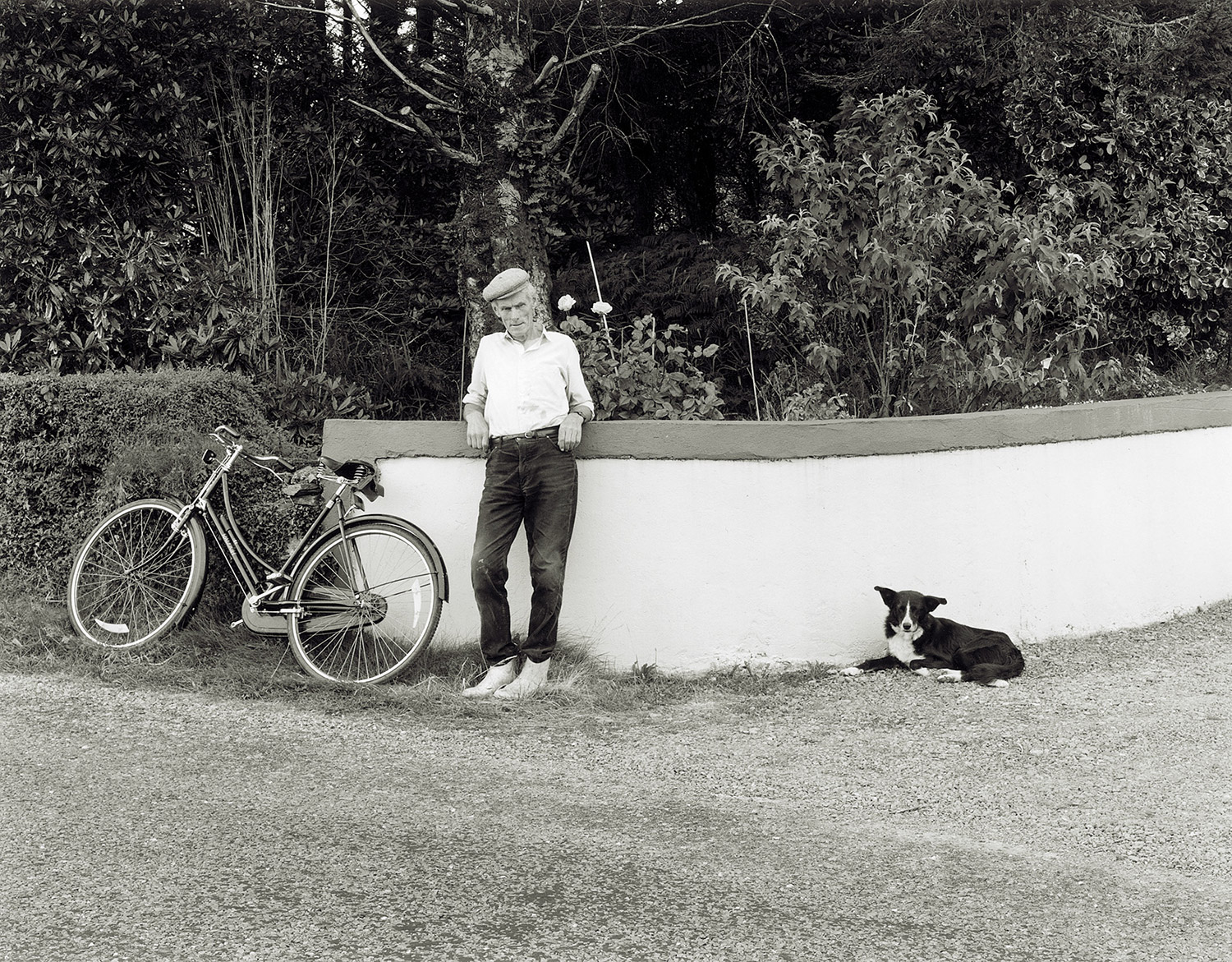
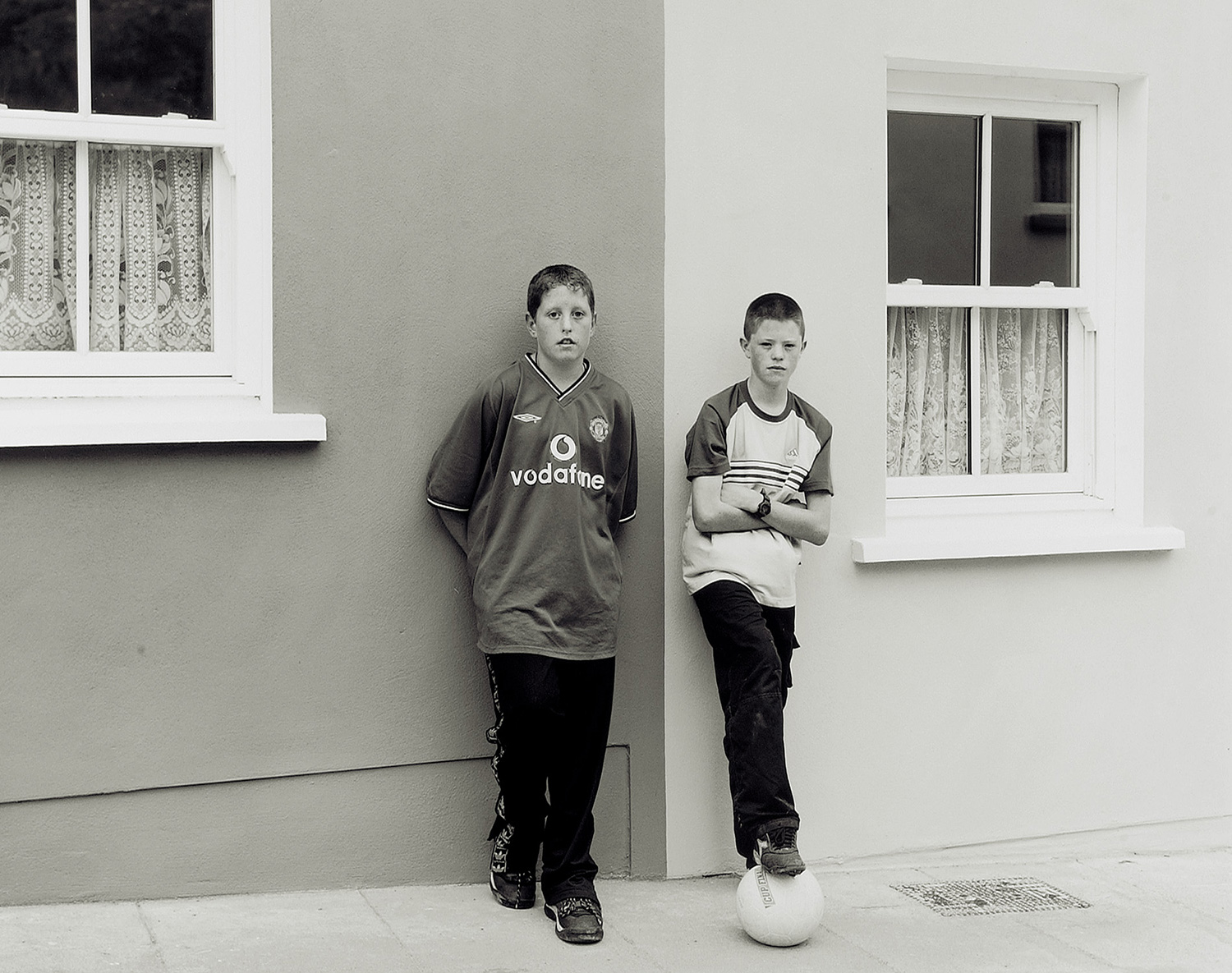
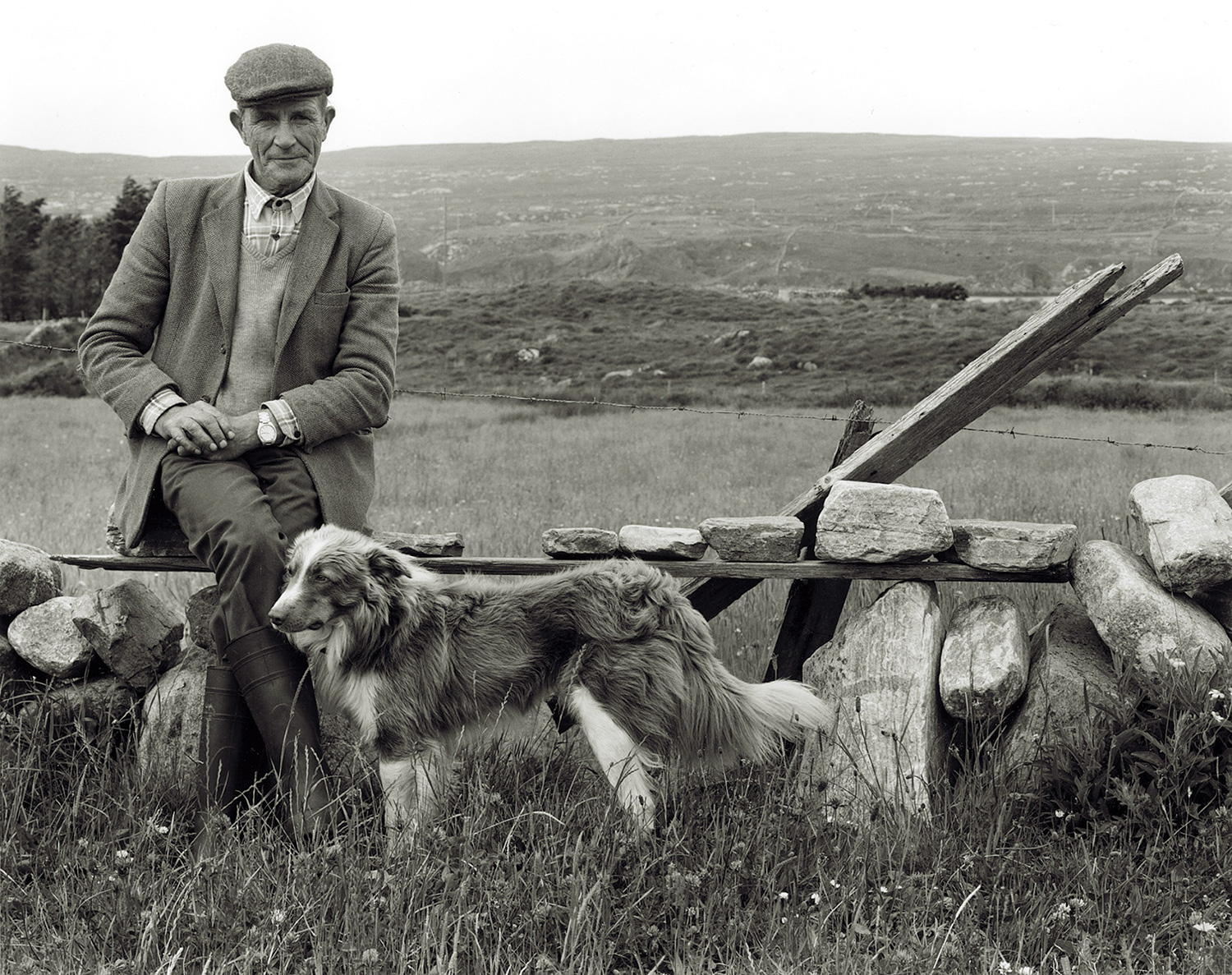
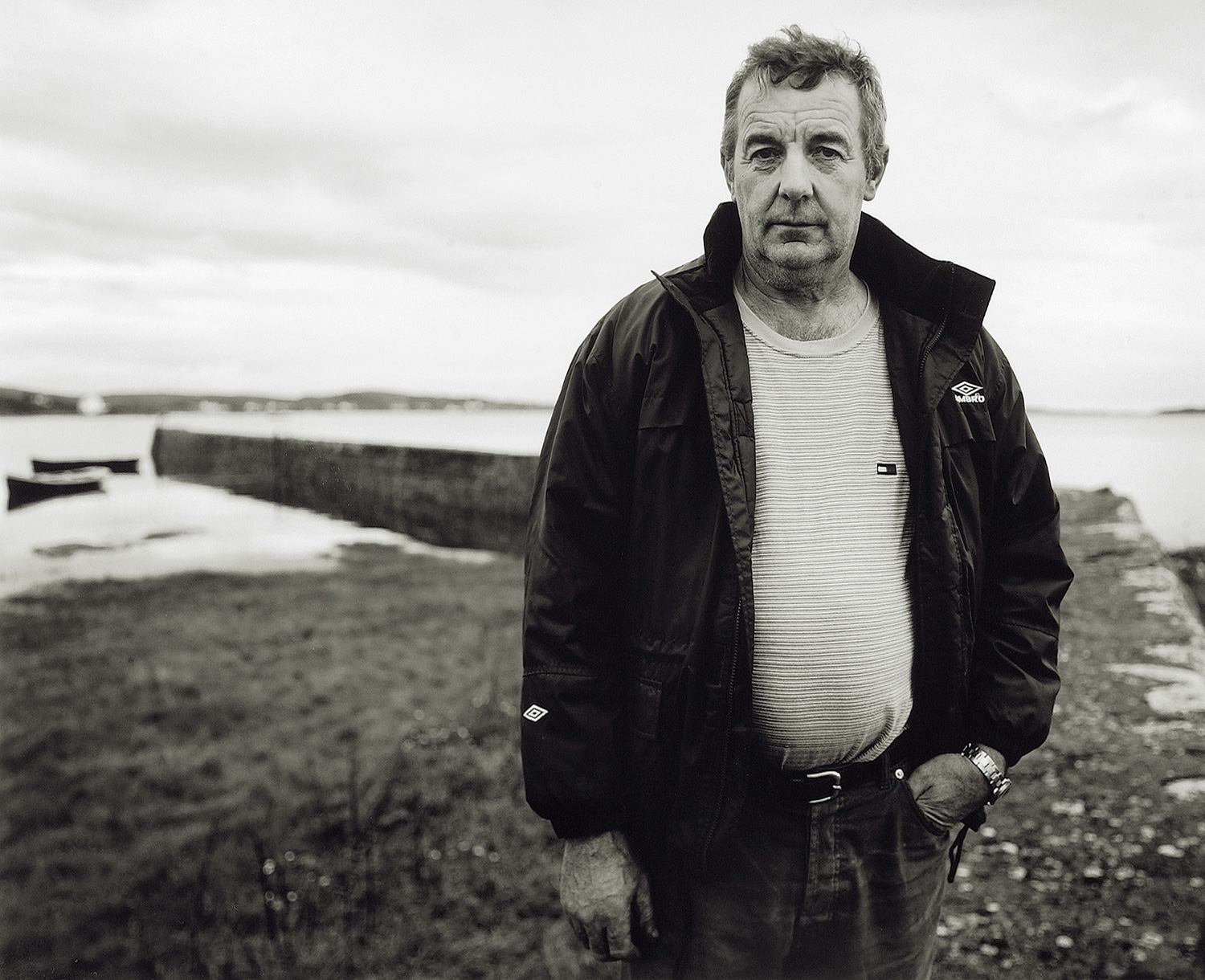
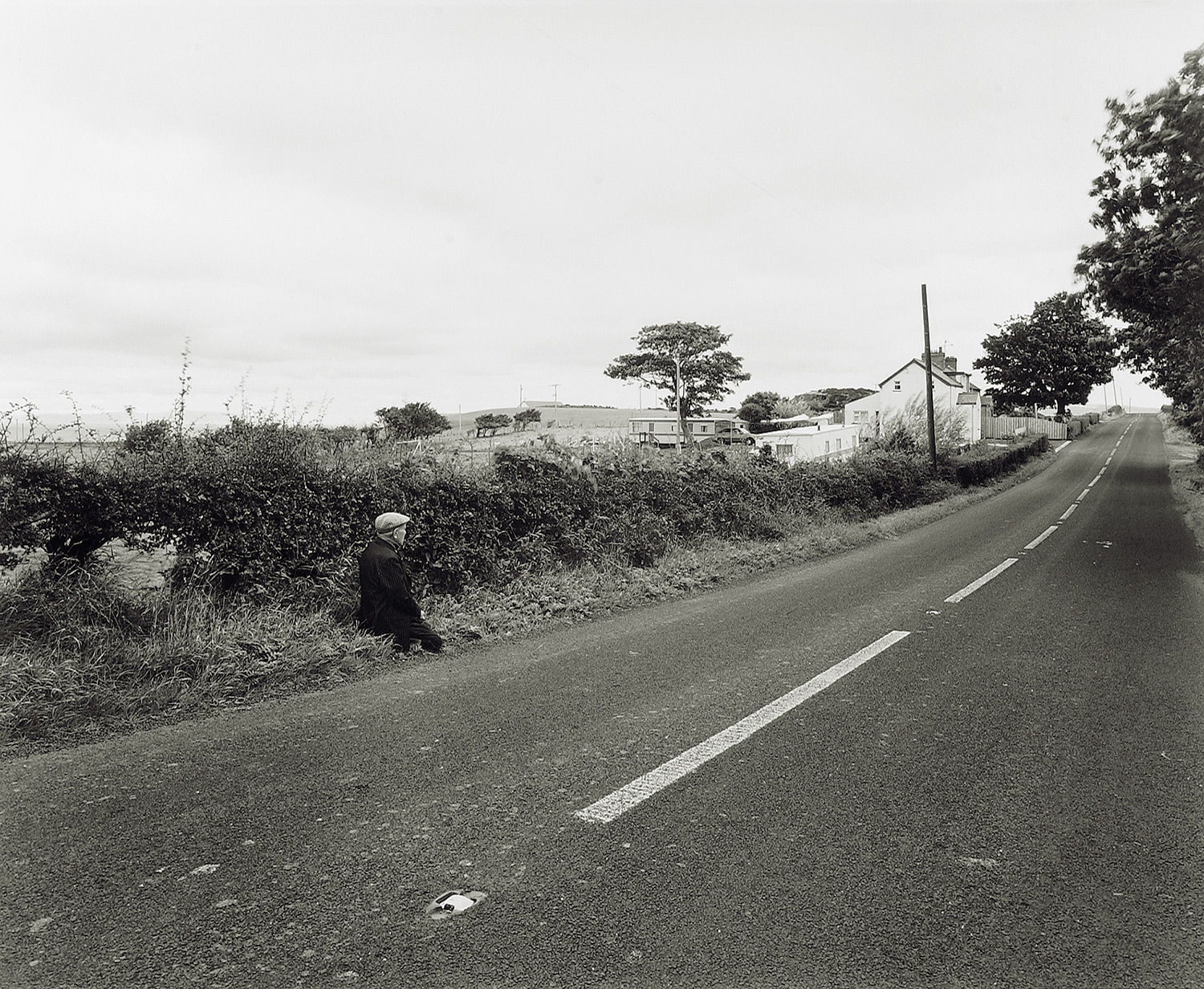
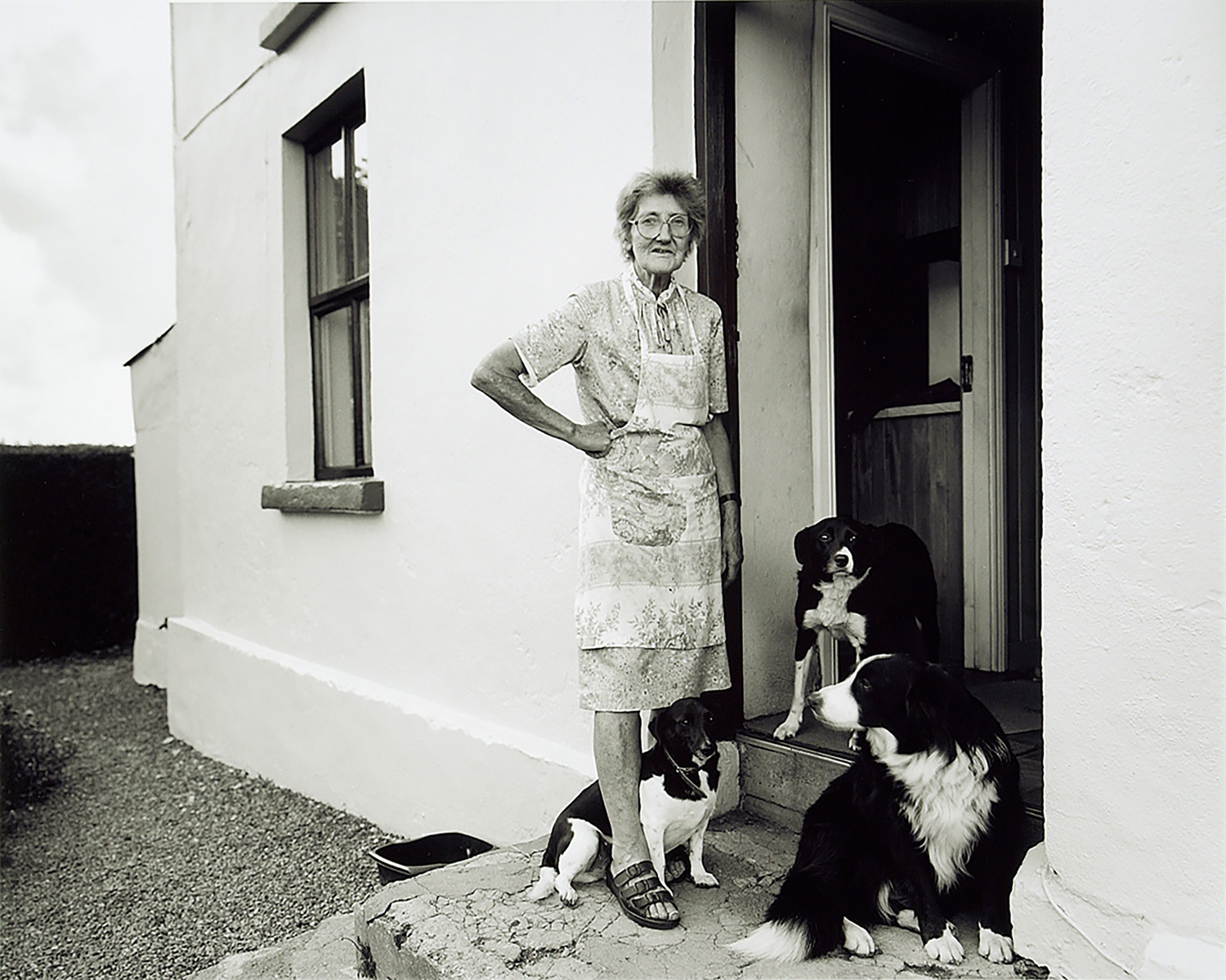
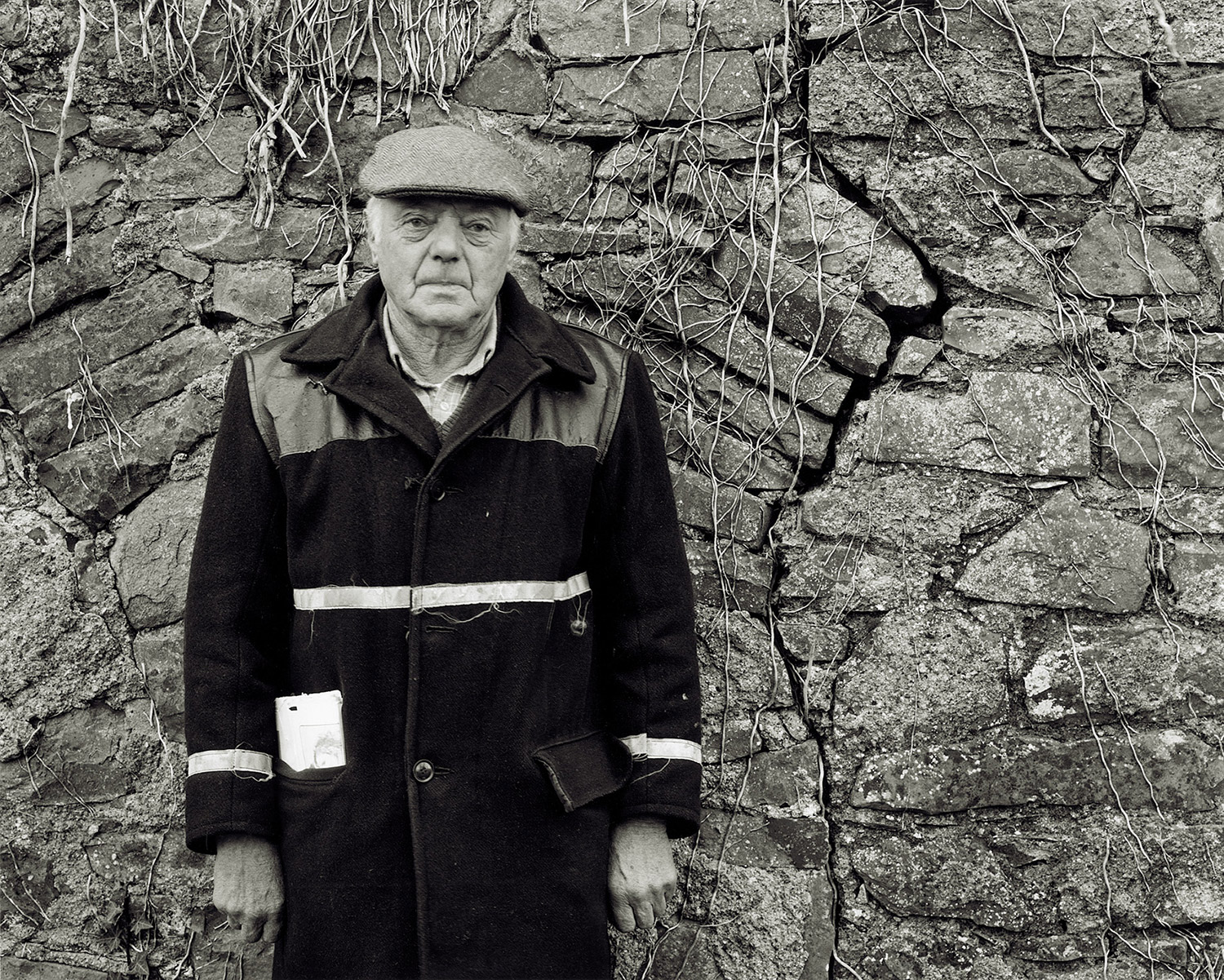
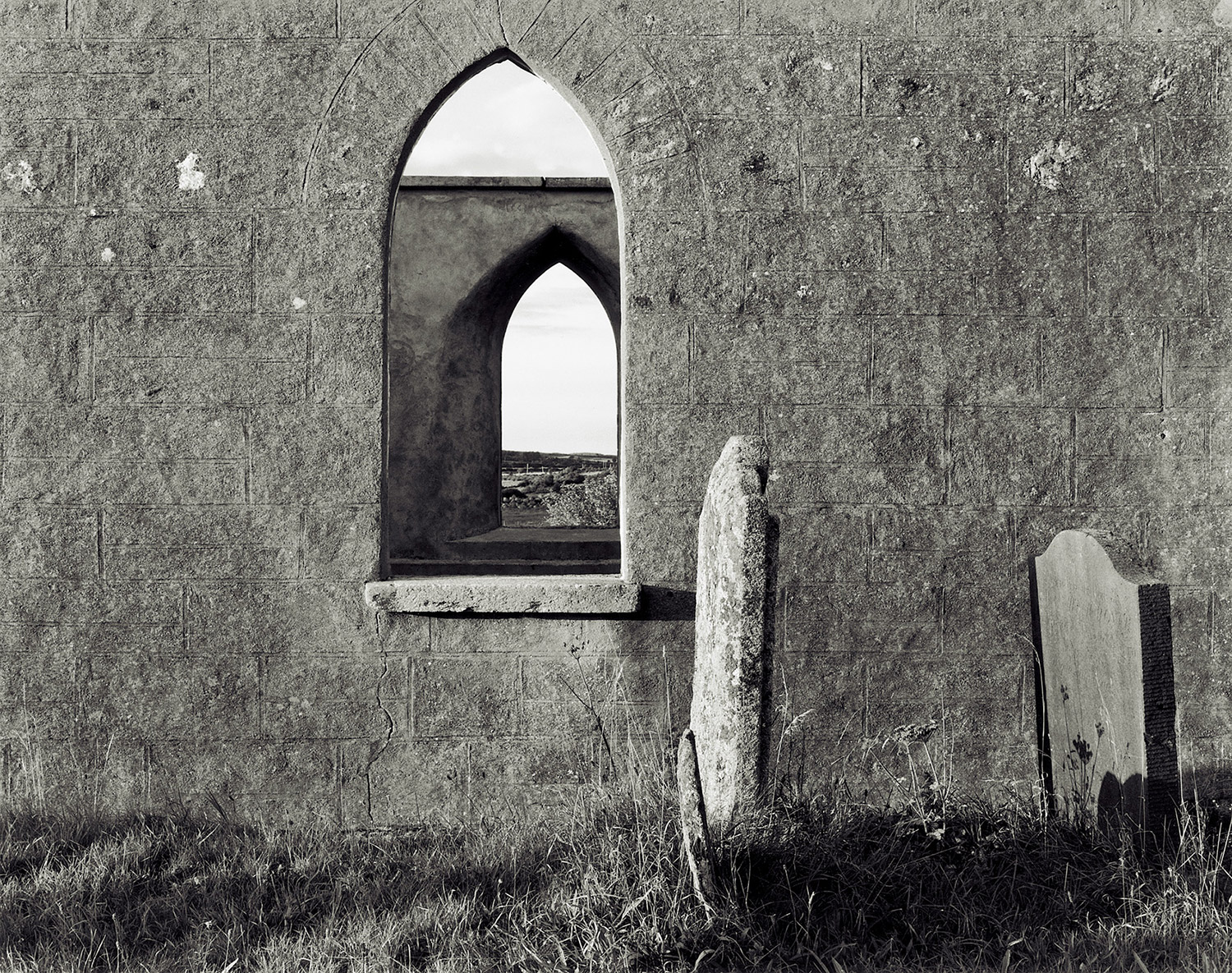
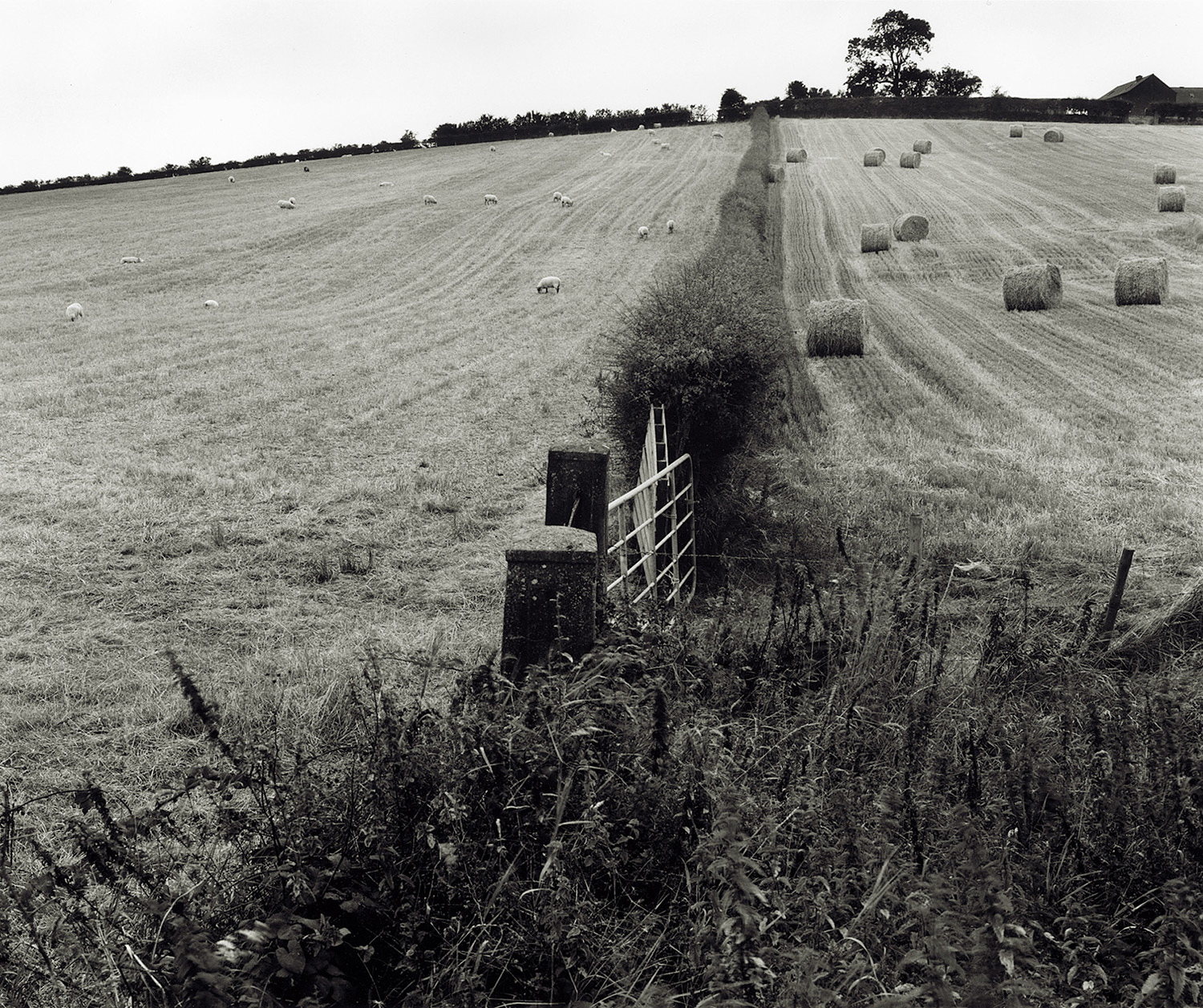
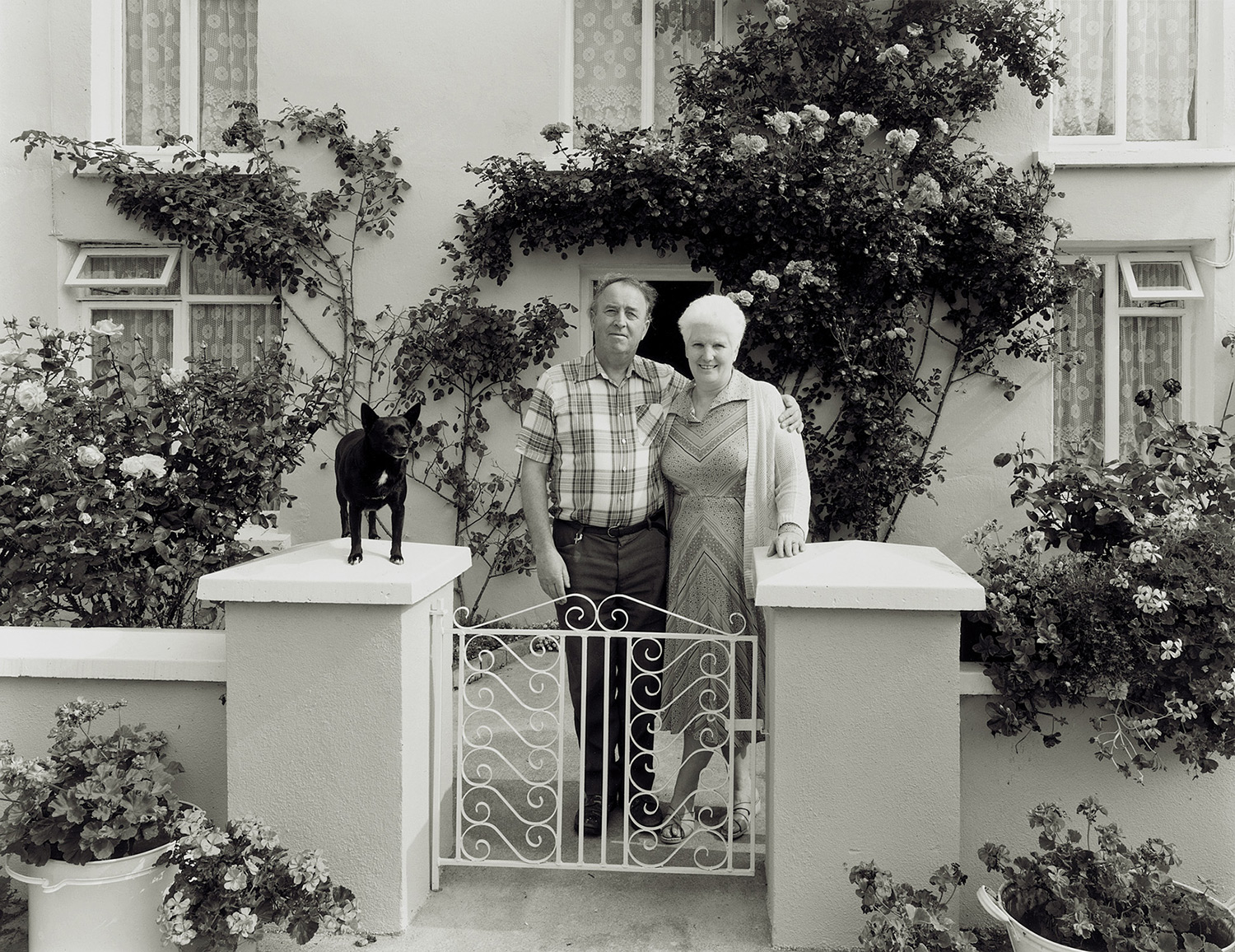
And yet, Temkin's pictures are almost inevitably peaceful. A man with his back to a wall; a man with a stick in the middle of a country road; a man in a meadow taking a moment's rest from making a cock of hay; a woman in a doorway, her hands veined and old; a phone-box on a roadside near the sea, space opening, opening; strong faces of women, backs to a pebbledashed wall; a church with a headstone and a tree: all these images that speak so calmly yet so eloquently of time are touched and attended by a deep, real peace, all the more real and deep because one feels that somewhere in the background there is probably a story of hardship, violence, trouble, misfortune. Out of such buried horror, out of a story that may be too tragic to be told, rises the calm word, the song of peace. Ireland.
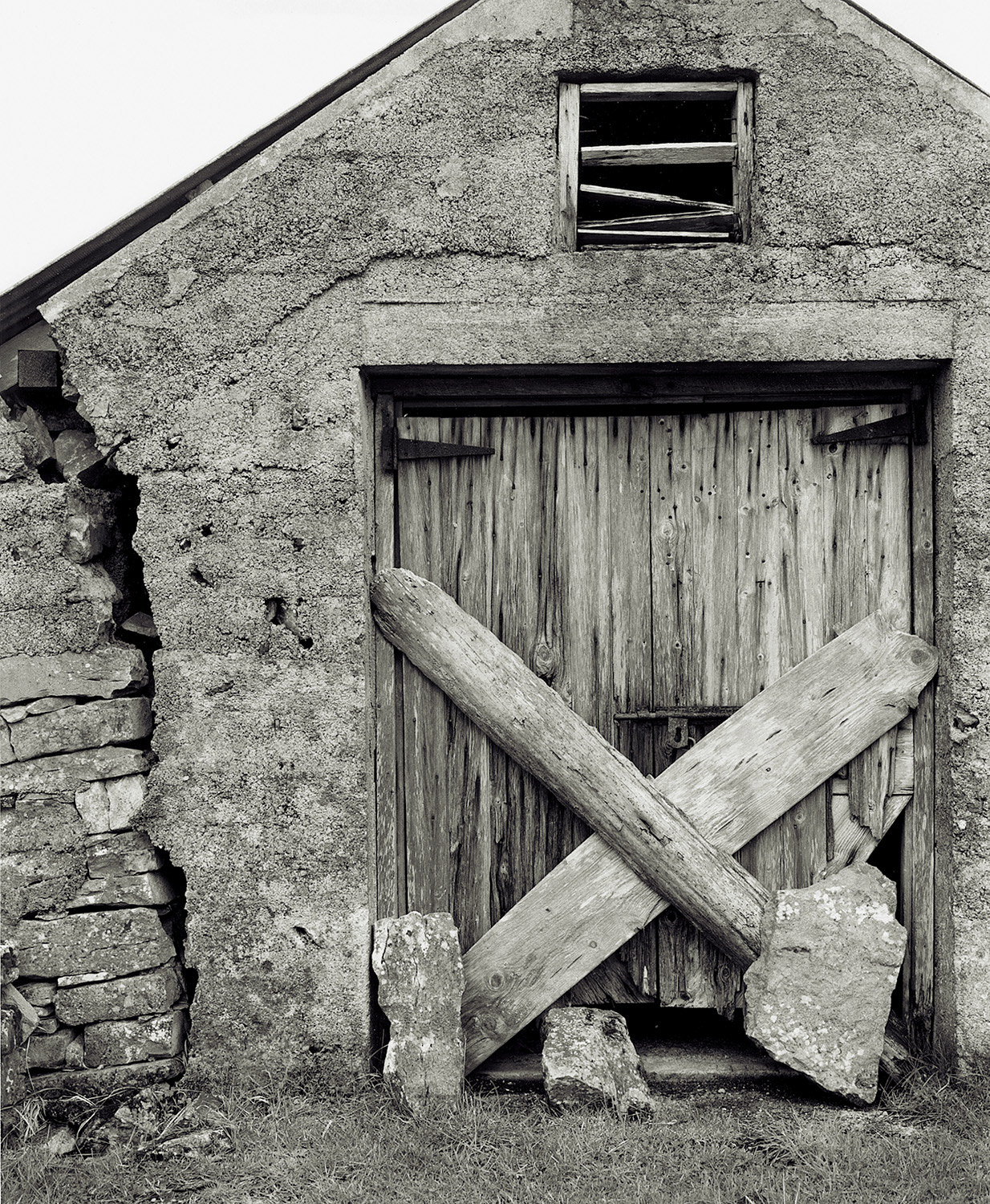
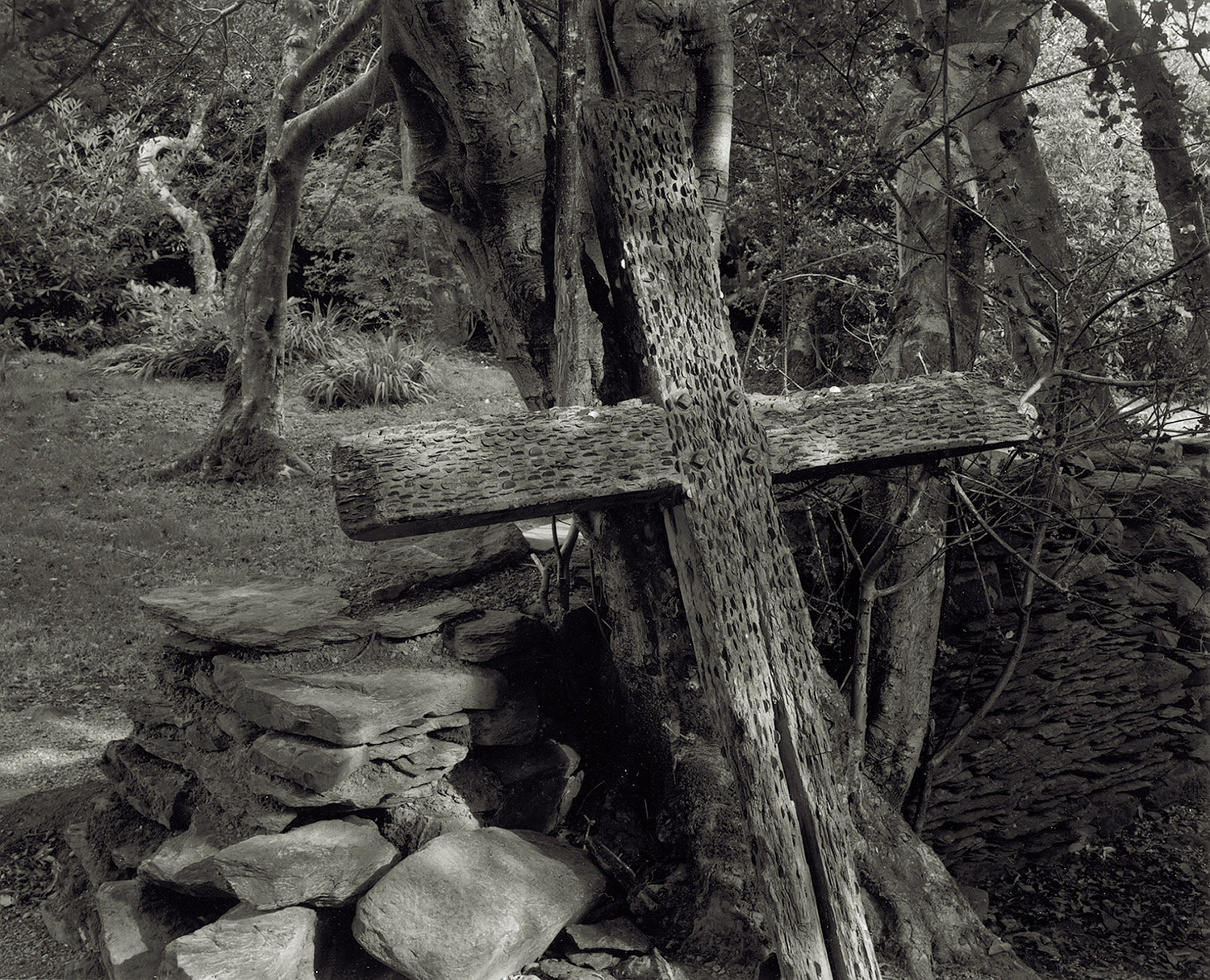
Temkin's pictures resonate with such stories, such consequences. What is any human being, in the end, but the story he or she becomes in the minds of those who are interested enough to wish to know him or her? Stories emanating from lives are the realities we are left with. In Ireland, every field, rock and ruin is a story. That story is in the minds of some men, some women. Will they tell their story, their stories, to a stranger? They will, if they judge that he or she is fit to hear it, to pass it on. I venture to suggest that Brad Temkin heard a lot of stories as he wandered the lonely roads and lanes of Ireland's history and geography. The fact that he is by instinct a pickpocket of time would have endeared him greatly to these storytellers because they too, in their way, and through their art, are the stealing moments and secrets from time which it would otherwise have kept completely and selfishly for itself. As I looked repeatedly into the very heart of these pictures with their bleak integrity, their refusal to be flamboyant or ˜colourful" in any easy way, I found myself hearing the stories of the old ruins, old headstones, rocks, beaches, seas, fields, meadows, houses, dogs, weathered men and women, bogs, shadows, Celtic crosses, roadside grottoes, walls, streets, doors, latches. I found that as well as seeing Temkin's pictures I had to listen to them too. They told me a lot of stories. Night after night, they keep on telling them to me. In short, these pictures have become my friends. My friends, the storytellers. My friends, the revealers. My friends, the long memories. My friends, the images of peace. For all this, I wish to thank Brad Temkin. He has revealed aspects of my country's history and civilization to me in a new and exciting way. And he is telling his own story with precision, passion and memorable skill.
Brendan Kennelly